
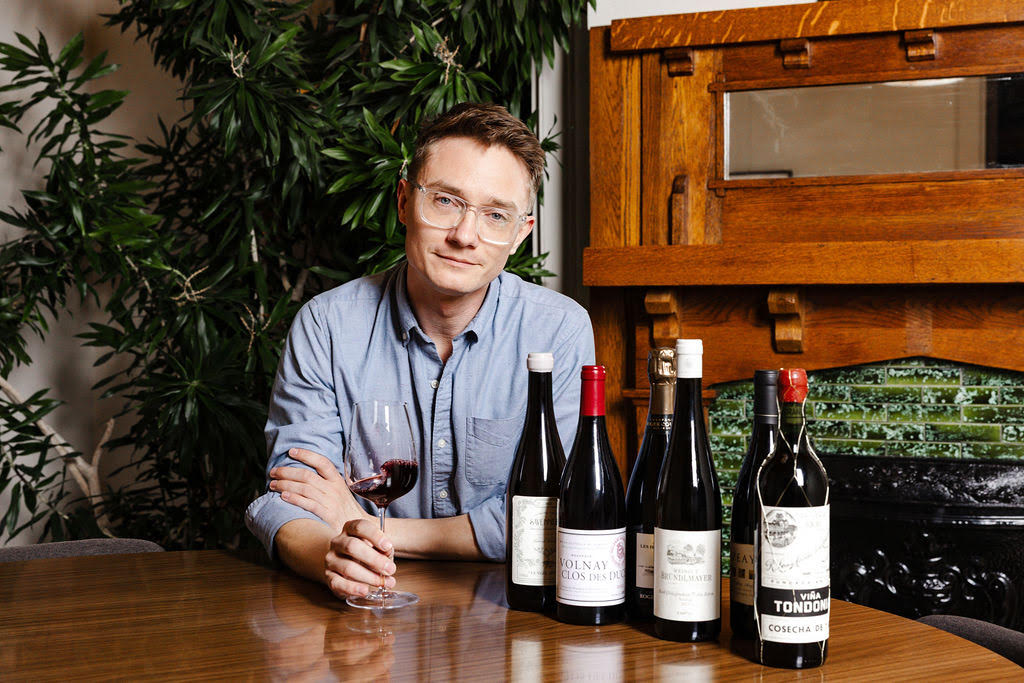
Photo by Victoria Quick
Words by Hanna Brown
The wine world can be a confusing, complicated animal. Between the swirling, the sipping, the terminology, and terroir, let’s just say it’s enough to leave anyone perplexed, myself included.
I came up on the service side of hospitality—the kind that doesn’t romanticize itself. Late nights that bled into early mornings. Dining rooms humming at a steady, relentless pace, while the expo line in the back of house ran hot. Hotter than the steam wand on the La Marzocco Linea PB, where I learned the difference between a bright, citrus-driven espresso from Ethiopia and the blueberry-pancake sweetness of a Peru pour-over. Coffee taught me how to recognize flavor long before wine entered the picture.
People are quick to say they do not like wine when, more often than not, they simply have not yet met the right wine. The lightbulb-moment wine. The kind of bottle you do not finish unchanged. For me, it was a Pinot Noir from Burgundy, France.
Do I remember the producer? No. The vintage? Nada. What I do remember is the tickle of black pepper at the tip of my tongue, followed by fresh raspberry and ripe cranberry coating my mouth, enough to make me salivate. I remember how it made me feel. On the outside, I imagine I looked a bit like Captain Marvel after absorbing energy from the Tesseract—pupils blown, something in me rewiring in real time.
Wine doesn’t have to be so mysterious. The flavor profiles people go on about are really just sense memory at work, paired with a bit of study and repetition. It’s as familiar as knowing the difference between a Gala apple and a Granny Smith, or between cantaloupe and honeydew. And while there is a time for the cutthroat competition of a blind tasting or the precision of building a prix fixe menu, ultimately, it comes down to community.
Across the South, people are making wine feel less exclusive and more approachable—sommeliers, shop owners, and hospitality professionals who guide others toward bottles worth opening and stories worth sharing. To help cut through the noise, I asked a few of my favorites to share their stories and the wines they return to again and again.
William Jones | Deep Roots Restaurant Group | Fairhope, Alabama
Wine Certification: WSET Level 2 Certified In Wines
“My ‘wow moment’ was a 2007 Brunello. The acid, structure, and power are all still embedded in my mind like a hot coal. I officially caught the wine bug and, over the next six months, spent as much as I could afford on more bottles of Brunello,” Jones says with an enthusiastic nostalgia.
His introduction to wine began in Auburn, Alabama, where he spent his early days charming tables with a sincere tenacity and Southern drawl. Now based in the picturesque bayfront town of Fairhope, Alabama, he serves as chief operating officer of Deep Roots Restaurant Group, guiding the wine program across three farm-to-table properties: The Hope Farm, The Barn at Hope Farm, and Little Bird.
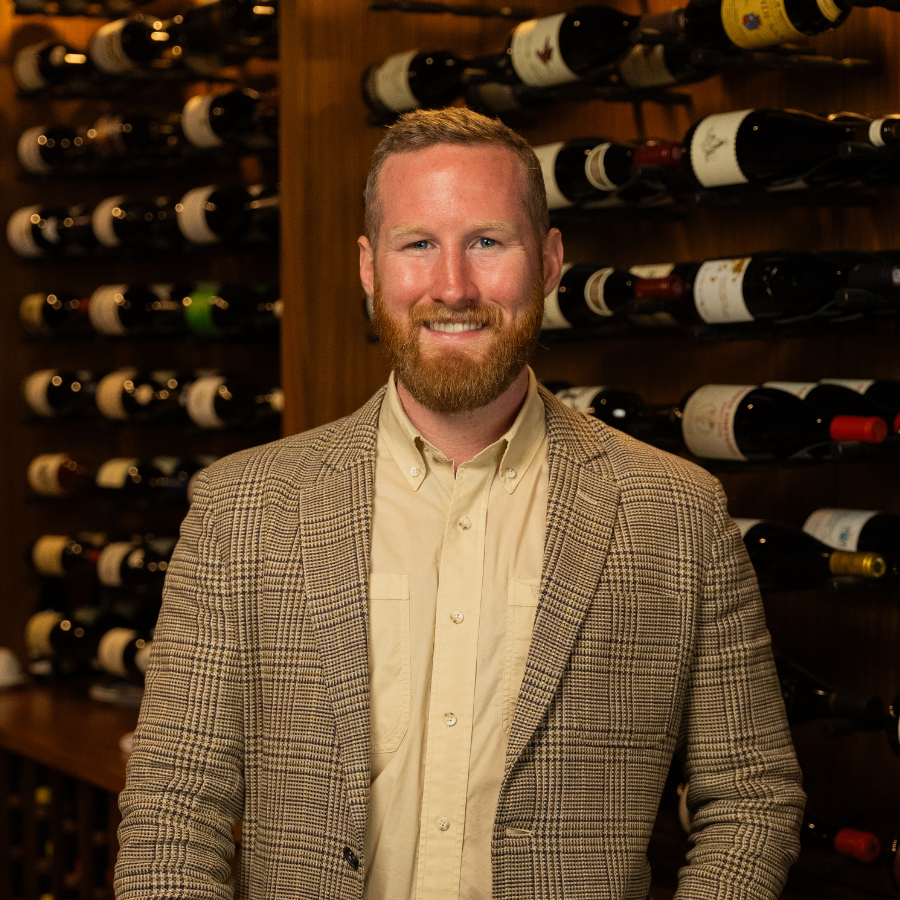
For Jones, wine begins with the fundamentals, like cuisine and party count, but quickly moves into something more personal. Each bottle is a reflection of its history. According to Jones, if a wine list fails to express that sense of place and purpose, he believes it misses the mark entirely. When asked what he is most excited to drink right now, he smiles. “I love this question,” he says. “At the moment, for the first time ever, I have an easy answer.“
It turns out that Left Coast Estate in Rickreall, Oregon, has crafted a wine called Little Bird, a Pinot Noir created in close collaboration with Jones and the team at Deep Roots, designed specifically for their program and poured exclusively across their properties. The wine is a balanced blend from three vineyards. Its label originated as a commissioned piece for Little Bird’s wine room, created by a Fairhope artist and photographed for the bottle by a close friend. The air smells faintly of saltwater and a full-circle moment.
Jones concludes: “I want to debunk the idea that wine has to be fancy, because it does not. Wine is a beverage for every moment and occasion. It should be served however you want to drink it—in a way that makes you comfortable. I have spent my birthday drinking old First Growth Bordeaux out of a red solo cup, roaming the streets of downtown Mobile, and had a far better time than when I drank a similar bottle at a white-tablecloth restaurant. It’s the comfort and the memories in those moments that elevate the wine.”
Carmilla Tindal | Marquee Club presented by Lexus, at The Fox Theatre | Atlanta, Georgia
Wine Certification: Certified Champagne Specialist, CWE, CSS, CMS Advanced Sommelier
Vivacious, introspective, proficient, and soil-driven: These are not the characteristics of wine, but rather the qualities of Carmilla Tindal of the Marquee Club presented by Lexus, at The Fox Theatre. When asked about her revelatory wine moment, she does not miss a beat.
“Without question, it was the 2018 Éric Taillet ‘Bansionensi’ Blanc de Meunier Extra Brut from Champagne that altered my view of wine. It changed everything for me—I’m almost ashamed it came so late in my career. Hearing the winemaker speak so passionately about his grandfather, the land, and his family, I felt this overwhelming desire to share that same joy with others,” Tindal says vehemently. “The wine was alive with body, structure, elegance, and perseverance. Meunier, long in the shadows, finally stepped into the light—and in that moment, I stopped analyzing wine and began to feel it.”
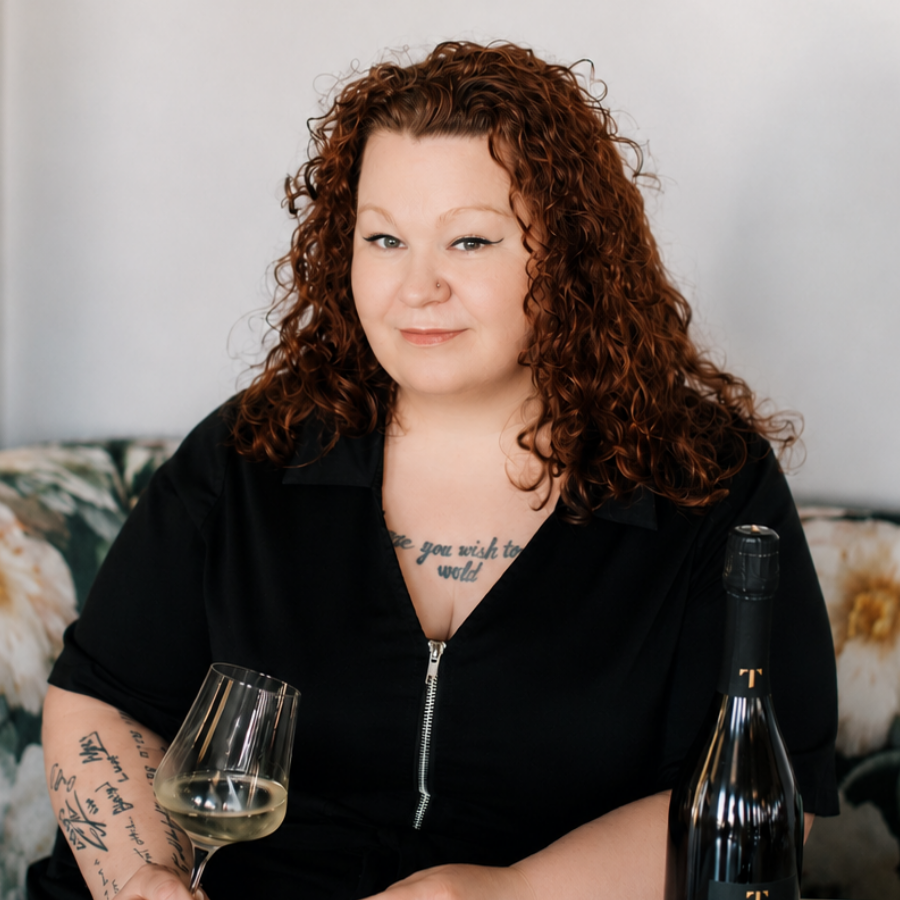
Photo By Hannah Brown
Tindal’s path into wine is rooted in a return to hospitality. While washing dishes may not sound glamorous, earning your stripes in the back of house offers both clout and skin in the game. Tindal worked her way into bartending and management, gaining a global education in wine and service along the way. Ko Olina, Hawaii, first introduced her to wine, while Ann Arbor, Michigan, deepened her understanding of its power to bring people together. Today, Tindal is the Marquee Club manager and the force behind the renowned wine list at the Marquee Club presented by Lexus, at The Fox Theatre in Midtown Atlanta.
“I love grower Champagne—Éric Taillet, Moussé, H. Billiot, A. Margaine, Geoffroy, Doyard—I could go on forever. I’m also drawn to producers like Gönc in Slovenia and Stolpman in California for their quality and integrity. Our list can be intimidating, so I meet guests where they are. We taste, we talk, and we keep going until they don’t just like their wine—they love it. Did I mention grower Champagne?”
Regarding misconceptions about wine, Tindal passionately believes that it should be viewed as communal rather than exclusive. “For too long, wine has made people feel unwelcome, and that needs to change,” she adds. “There’s something for everyone, and it’s our responsibility to make those spaces more inclusive.” Tindal is one of many women in Atlanta shaping the city’s wine scene, adding dimension to a space that has historically lacked it. And yes, she does have an Éric Taillet tattoo on her leg.
Pepe Fundora | Cork & Glass | Alpharetta, Georgia
Wine Certification: CMS Certified Sommelier
Long before Napa and cellar visits, Fundora was behind the scenes at his family’s restaurant, Casa Nuova, washing dishes and quietly absorbing the rhythm of hospitality. Though he studied electrical engineering at the Georgia Institute of Technology and worked for National Cash Register (NCR), the restaurant’s grip never loosened. An unexpected layoff and a Napa Valley adventure hit in the same year, and Fundora came back with a completely different trajectory.
“Walking into Opus One and seeing the precision and technology behind winemaking, then visiting places like Jordan and Benziger and learning about techniques like oak aging, sustainability, and even the science behind fermentation—it opened my eyes. I remember thinking how incredible it was that something so technical could also be so artistic,” Fundora says.
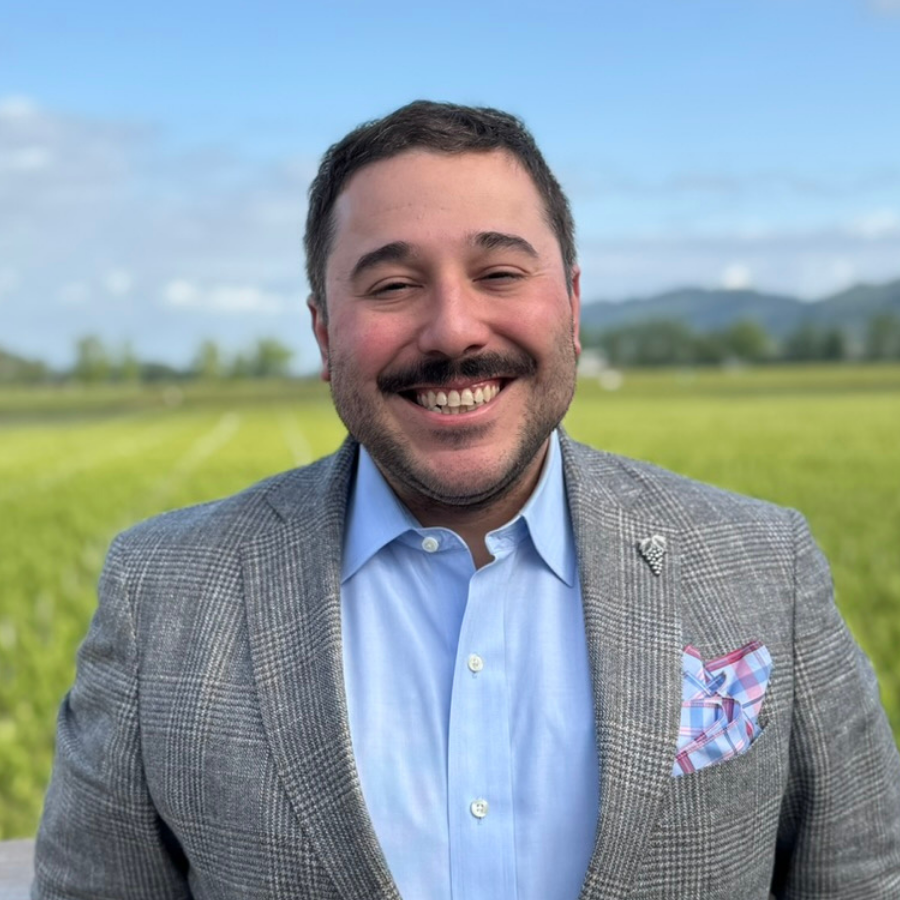
His most meaningful wine moments center around a simple formula: the wine, the place, and the people. “I think about drinking Elk Cove Riesling or Sokol Blosser Pinot Noir in the Willamette Valley, or enjoying a Recchia Recioto in the heart of Valpolicella. Tignanello at Antinori in Chianti, rosé in Provence with mussels, or even a 1970s Robert Mondavi Cabernet in Napa—those experiences stay with you,” he says.
Today, Fundora is the owner and founder of Cork & Glass in Alpharetta, where accessibility and community sit at the heart of the experience. Rooted in community, the space is intentionally relaxed, where guests can explore freely, ask questions, and discover new regions without intimidation. Whether opening a first bottle or adding to a growing collection, the goal is simple: to help people find wines they genuinely love.
Fundora is quick to push back on one of wine’s most persistent myths: “That there’s a ‘right’ or ‘wrong’ answer when it comes to what you like. Wine is incredibly personal.” Rather than chasing high margins or stocking shelves with mass-produced Mega Purple, Fundora champions small producers at prices that keep things within reach. His goal is to remove the pressure—pun very much intended—and leave guests feeling as though they’ve stumbled into a vibrant, unpretentious wine world with something seriously delicious in their glass.
Jordan Hacker | Easy Bistro and Bar, Main Street Meats, Little Coyote | Chattanooga, Tennessee
Wine Certification: WSET Level 2
Sometimes, it isn’t about place or varietal, but about connection, story, and the hands that carry the wine from grape to glass. When you start to understand the time and effort behind a bottle, the price tag matters a little less. That’s how it started for Hacker, when a simple tasting turned into something more.
“My epiphany was when I did a side-by-side tasting of two different wines from Talley Vineyards. I was still serving when we tasted the Talley Estate Pinot Noir 2022 next to the ‘Rosemary’s’ 2021, and something just clicked. Maybe it was the story of Rosemary, the matriarch behind the vineyard that surrounds her home with a view of the ocean, but tasting them side by side, I remember thinking, OK—I get it now,” Hacker says. After leaving academia, Hacker moved from Nashville to Chattanooga, where the team at Easy Bistro saw her potential. “I found it so rewarding when I chose the perfect bottles for my tables,” she adds.
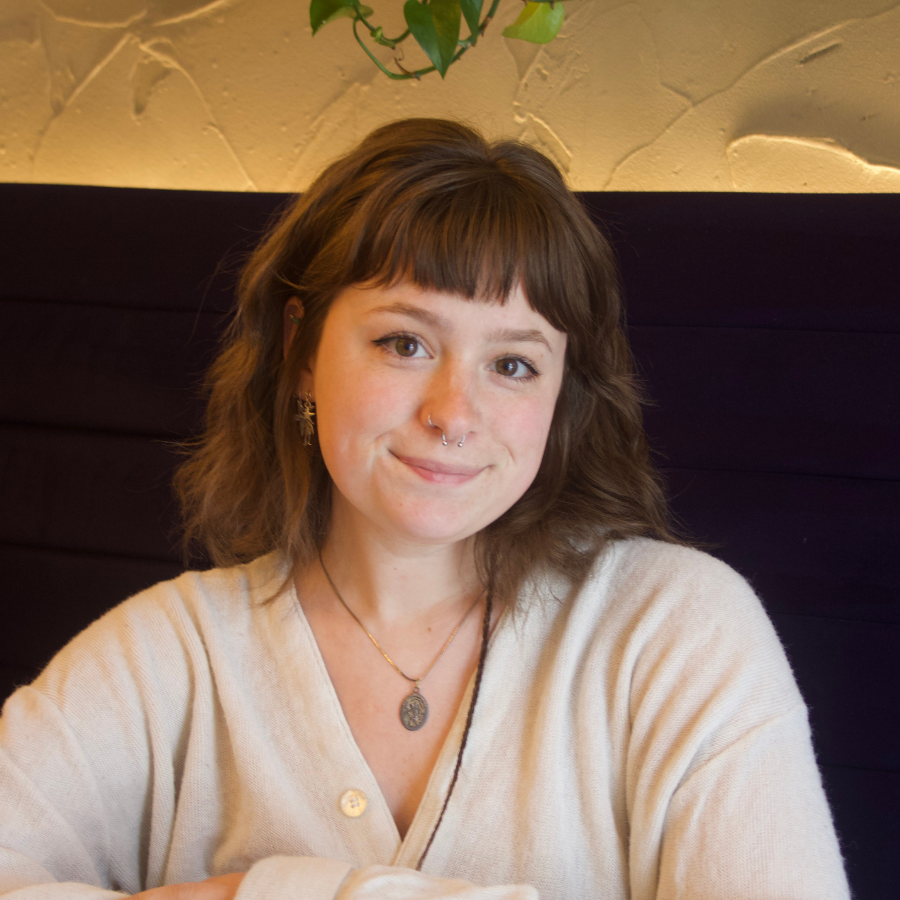
Be it Willamette Valley or Beaujolais, Hacker gravitates toward producers that mirror the ethos behind chef Erik and Amanda Niel’s trio of concepts: Easy Bistro, Main Street Meats, and Little Coyote. “A standout wine program is built on its by-the-glass list,” Hacker says. “It doesn’t need 25 options, just the right ones—well-made wines at prices that welcome people in and make it easy for every guest to have a great experience.”
Fault isn’t found in wine alone, but also in perception. “The value of a wine isn’t measured in its pairing of a prix fixe menu. At the end of the day, it all comes back to grapes a farmer grew, given time to evolve into something more,” Hacker tells me. For Hacker, the philosophy is simple: Wine should support the moment, not steal the spotlight.
Alex Burch | Bad Idea | Nashville, Tennessee
Wine Certification: CMS Advanced Sommelier, 2025 MICHELIN Guide American South Sommelier Award
When does a bad idea sound like a very good one? How about when it’s wrapped in warm, wooden tones and natural light, anchored by an exploratory wine list, and housed within a converted church in East Nashville? Bad Idea promises to give you liquid courage.
“I like it when a list shows some of the personality of those who assemble it,” says owner Alex Burch, who is daring in his decisions of libations. “I’m talking esoteric beauties like Albet i Noya, Stéphane Tissot’s Poulsard ‘Confidentiel’, and Cesar Florido Moscatel Dorado Sherry. When it comes to guiding a guest who may feel intimidated by a wine list, I try to find something they’re familiar with as an anchor. Sometimes that might even be a cocktail or another beverage outside of wine,” Alex continues.
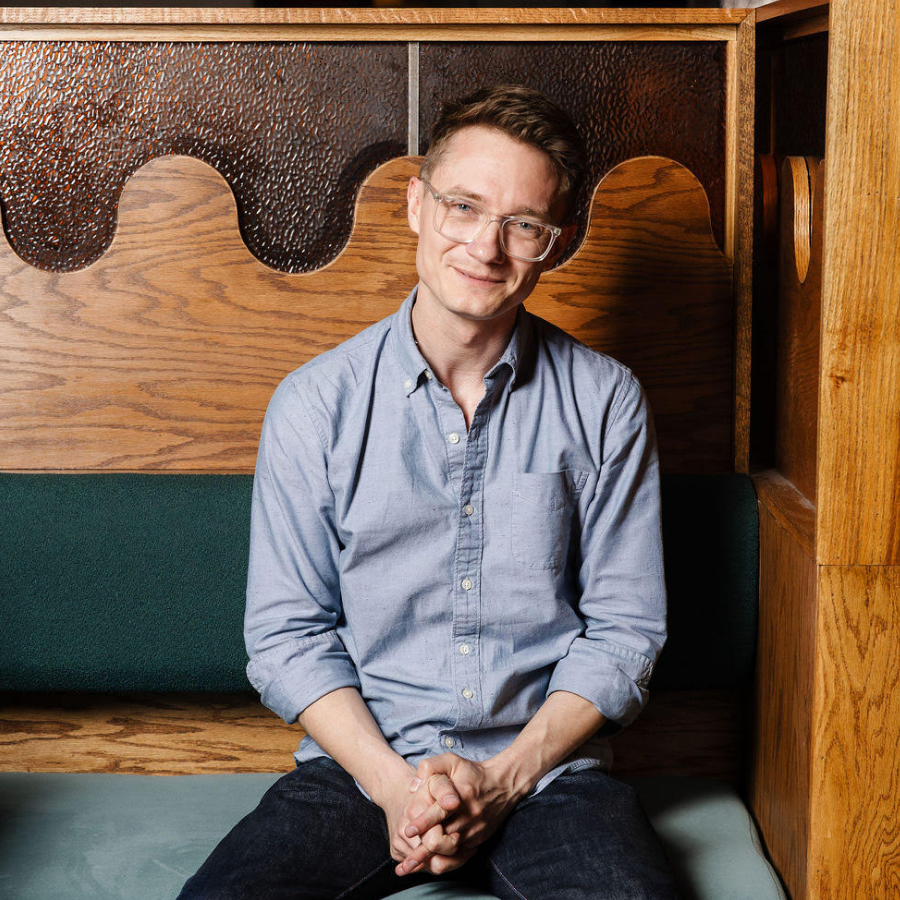
Photo By Victoria Quick
Burch’s journey into wine began on the restaurant floor, where a desire to grow within his role pushed him to deepen his understanding of Vitis vinifera. What started as an ambition quickly evolved into a genuine passion. “I began diving into blind tastings and studying for exams through the Court of Master Sommeliers. I learned to love wine through the process,” he says.
Burch believes the South is entering a more exploratory chapter with wine, noting that Nashville consumers have historically gravitated either toward the natural wine movement or mass-produced Mega Purple. His go-to debunk is a tale as old as time: Chardonnay is not always buttery, and Riesling is not always sweet. To make an otherwise intimidating list more approachable, Burch begins with a breakdown of key terms, giving guests the tools to navigate it with ease.
“I’ve been drawn to wines from the Southern Hemisphere lately. There’s incredible depth and so many overlooked gems. Australian Grenache, Argentine Criolla, and South African Chenin Blanc are all standouts.”
Jeremy Walton | The Citizen | Alys Beach, Florida
Wine Certification: More than 30 years of experience alongside sommeliers, winemakers, and a seat at some of the industry’s best tables.
There’s a stretch of Florida that many visitors unknowingly miss. It doesn’t clamor for attention but quietly captivates with sugar-white sands, Mediterranean-inspired architecture, and saw palmettos. One might even mistake it for a mirage—especially when you’re front row at an upscale raw bar, oysters flying open and Trousseau Gris, Vermentino, and Txakoli poured by the glass. Welcome, friends, to The Citizen.
Jeremy Walton is the owner and mastermind behind the sultry seafood eatery. “The Citizen was always imagined as a ‘city’ restaurant at the beach—a design-forward coastal tavern anchored by a striking bar, and a wood-burning hearth,” Walton says. “I’m a big advocate for grower Champagne—it’s always rewarding to introduce guests to these small, thoughtful producers. Beyond the big houses, there’s a whole world of character-driven, seriously delicious bubbles worth discovering.”
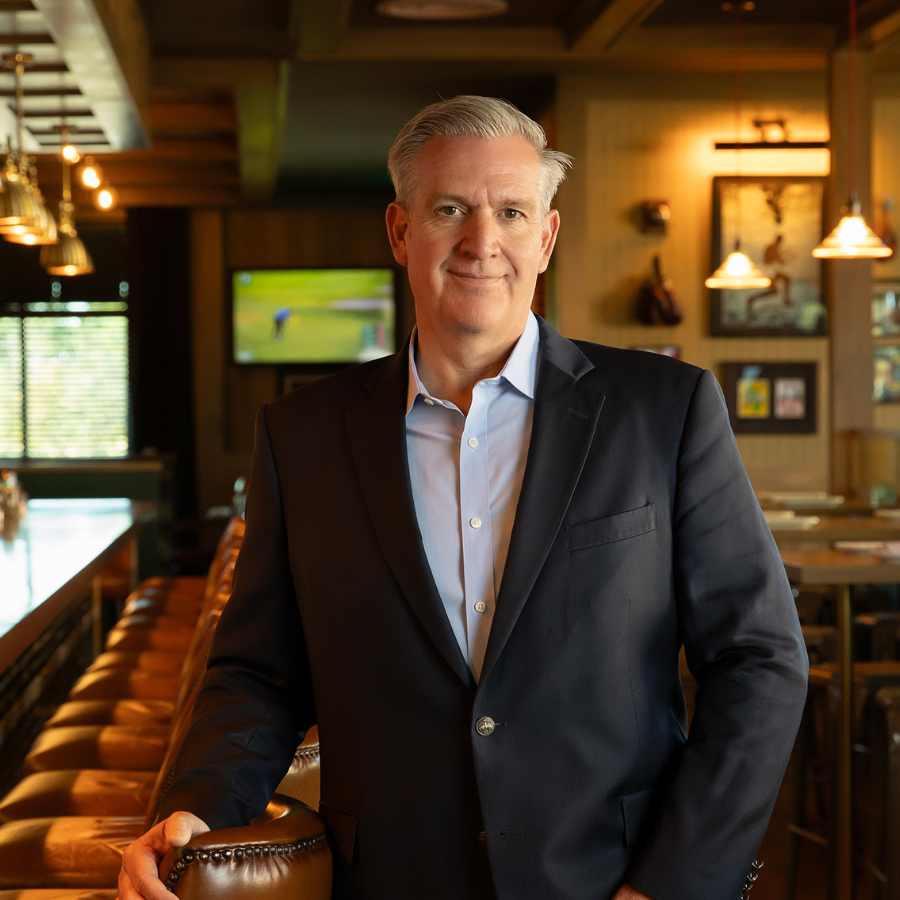
Photo by Jack Gardner
A pivotal moment in Walton’s wine journey came during Kevin Zraly’s seminar, where wine was reframed from something intimidating into something approachable and engaging. “Truly, the most memorable wines are as much about the people and moments you’re sharing it with. I think—despite the origin, the varietal, or the vintage—the people who introduce you to a wine and the memories that follow are what make the discovery even more fun,” Walton adds enthusiastically.
I am left with one fundamental piece of wine advice: “Price doesn’t always equate to quality. Some of the most exciting wines are found at modest price points.” Walton is a proponent of smaller, more intentional wine lists curated to tell the story of the winemakers while complementing the kitchen’s vision. He’s equally quick to emphasize that the success of The Citizen’s beverage program is rooted in the collective effort of his exceptional team.
Sidebar: Wine Talk, Decoded
WSET (Wine & Spirit Education Trust): A professional wine certification that focuses on beverage knowledge, tasting, production, and wine regions around the world.
CMS (Court of Master Sommeliers): A professional wine certification that combines wine expertise with hospitality and service, preparing sommeliers to guide guests through wine selections in restaurants and hospitality settings.
Vitis vinifera: The scientific name for the common grapevine species responsible for the vast majority of the world’s wine grapes, including Cabernet Sauvignon, Chardonnay, Pinot Noir, and Nebbiolo.
