
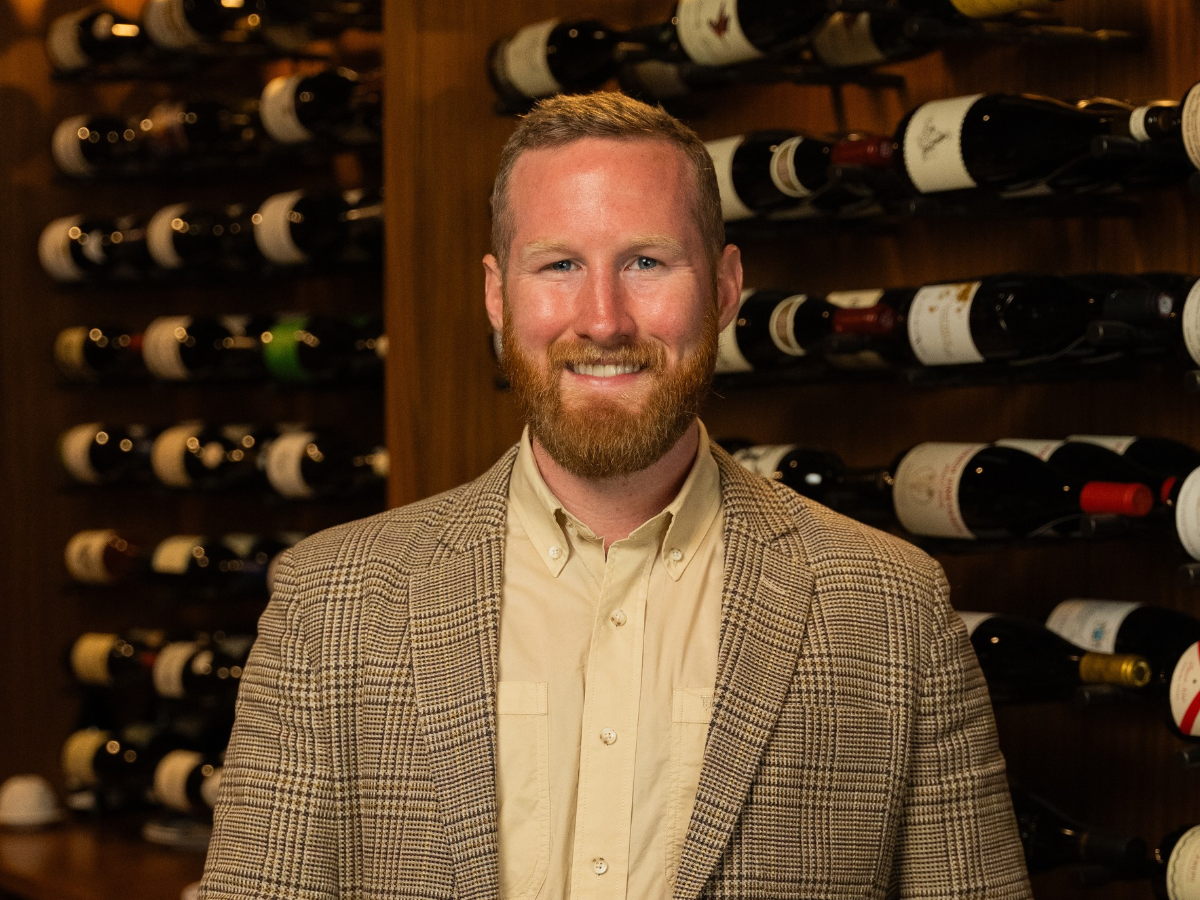
Deep Roots Restaurant Group Chief Operating Officer Will Jones knows his way around a wine list and a dinner table. Each month, he’s sharing what he’s drinking, ordering, and returning to, from bottles worth knowing to dishes and destinations across the South.
–
Do you remember the first time you had a glass of wine or a dish that sparked an explosion of wonder in your mind? For me, it was a glass of red wine, specifically a 2007 Brunello di Montalcino, in a quaint Alabama Italian restaurant. From that first sip, I had to have more, and it started my journey into the world of wine.
My name is Will Jones, and I am one of the nerdiest people you will ever meet, especially when it comes to food and wine. You can see the passion painted on my face like the sunblock I wear each summer. So sit down with me, pour a glass of wine, and let me give you the inside scoop on the wines, beverages, and dishes on my table each month.
THE SPARKLING
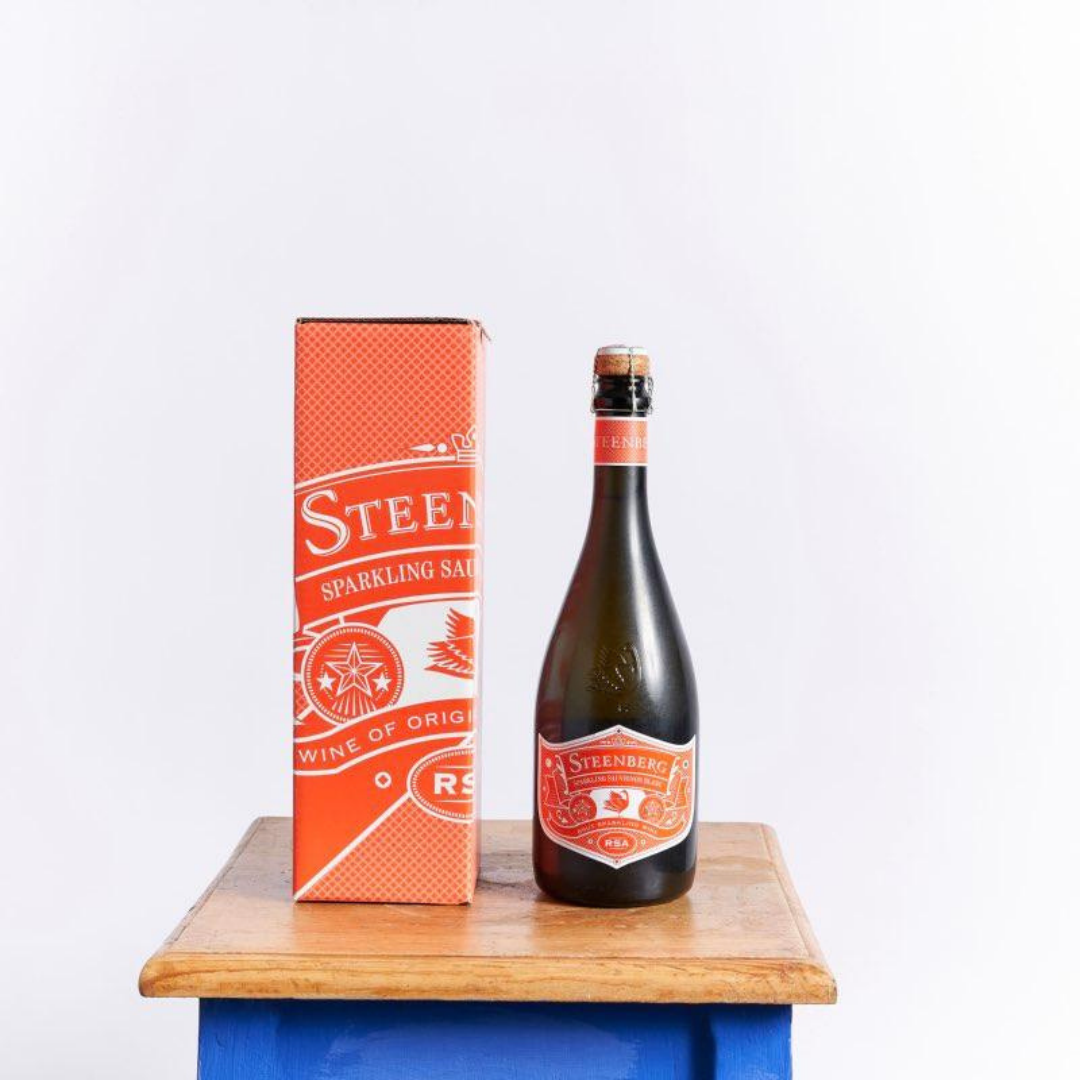
Every occasion in life should start with sparkling wine, and my suggestions follow the same rule. From South Africa, Steenberg Sparkling Sauvignon Blanc is a “blow your socks off bottle” with more conversation behind the cork than time in the day. For starters, who has had a sparkling Sauvignon Blanc? That alone is an immediate wow factor.
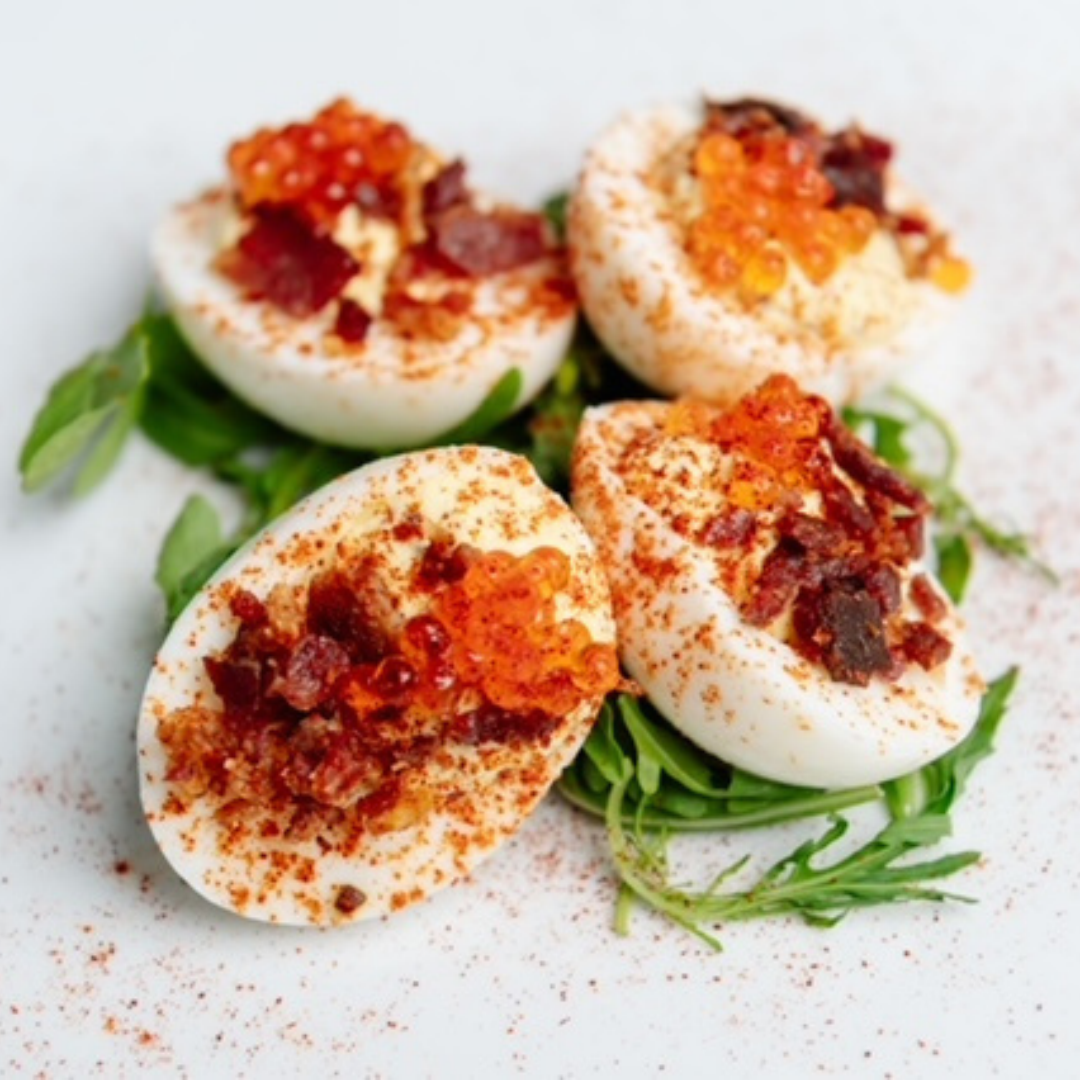
When choosing a pairing for this wine, the Deviled Eggs at The Noble South in Mobile, Alabama, immediately came to mind. Like all deviled eggs, they are simple but rich in flavor. Over my years as a self-proclaimed “Deviled Egg Tasting Expert,” I can say the thing that sets one apart from another is the garnish. In this instance, trout roe and bacon each provide a saline note that leaves you wanting more every time. That richness, combined with the bright character of the Sparkling Sauvignon Blanc, is a match made in heaven.
THE WHITE WINE
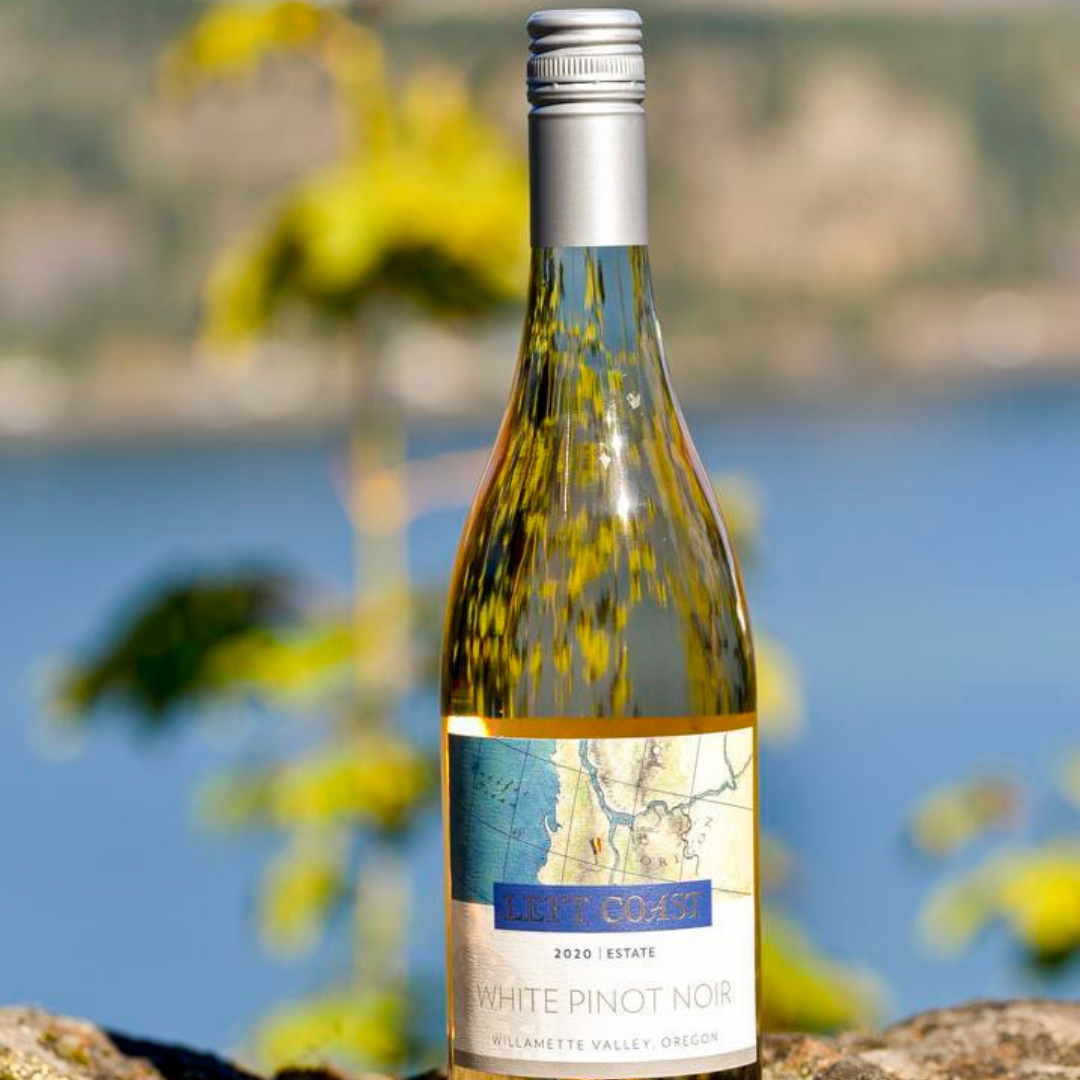
Speaking of wines we don’t often see, Left Coast Estate “White Pinot Noir” has become a longtime staple at our restaurants and is always a top suggestion of mine. I know your first thought: Pinot Noir is a red grape. How do they do this? Left Coast presses the grapes and minimizes skin contact to create a “white” expression of this varietal.
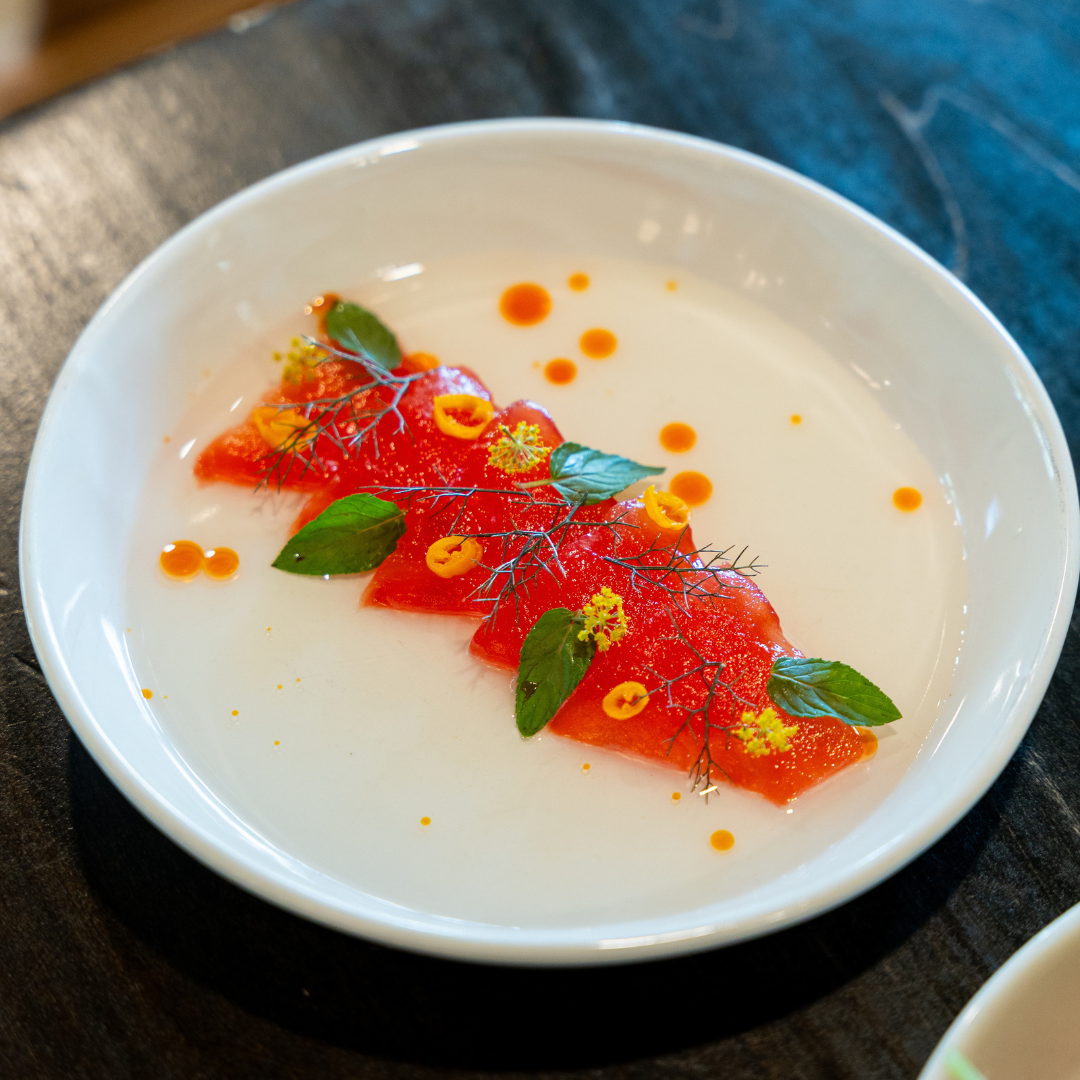
The Watermelon Crudo at The Hope Farm in Fairhope, Alabama, is a must-try pairing. Sweet compressed melon balances the tang of heirloom criolla sella peppers for the perfect warm-weather treat. When trying this dish, I immediately flashed back to Michelin tasting menus I’d experienced earlier in the year. Yet there I was, sitting in a garden in Lower Alabama. Chef’s kiss!
THE RED WINE
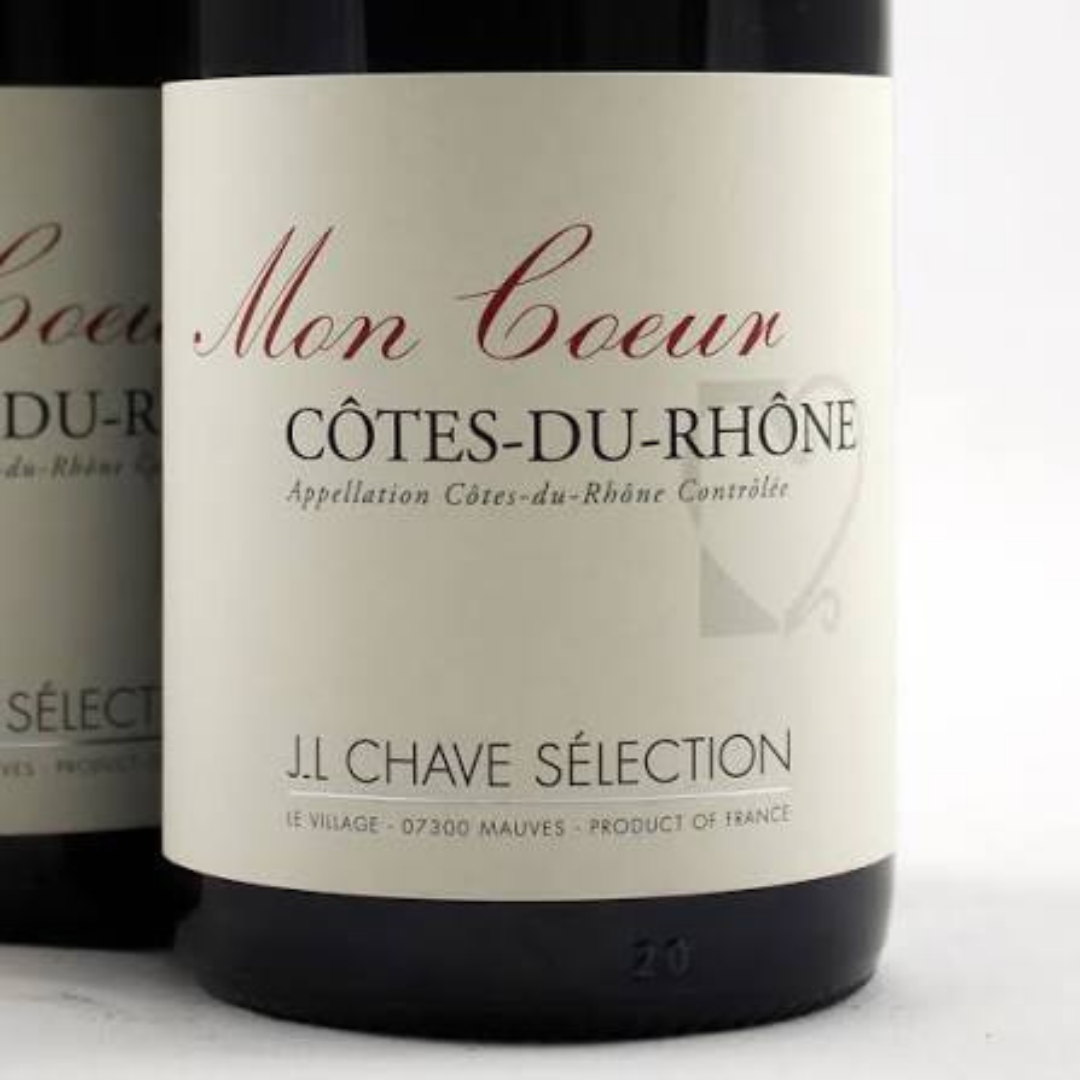
As we start to feel fall in the air, my glass is filled with heavier wines that warm me like my favorite sweaters. Jean-Louis Chave “Mon Coeur” is a Syrah and Grenache blend grown and made in the Côtes-du-Rhône. As the name suggests, I am in love with this wine and my suggested pairing.
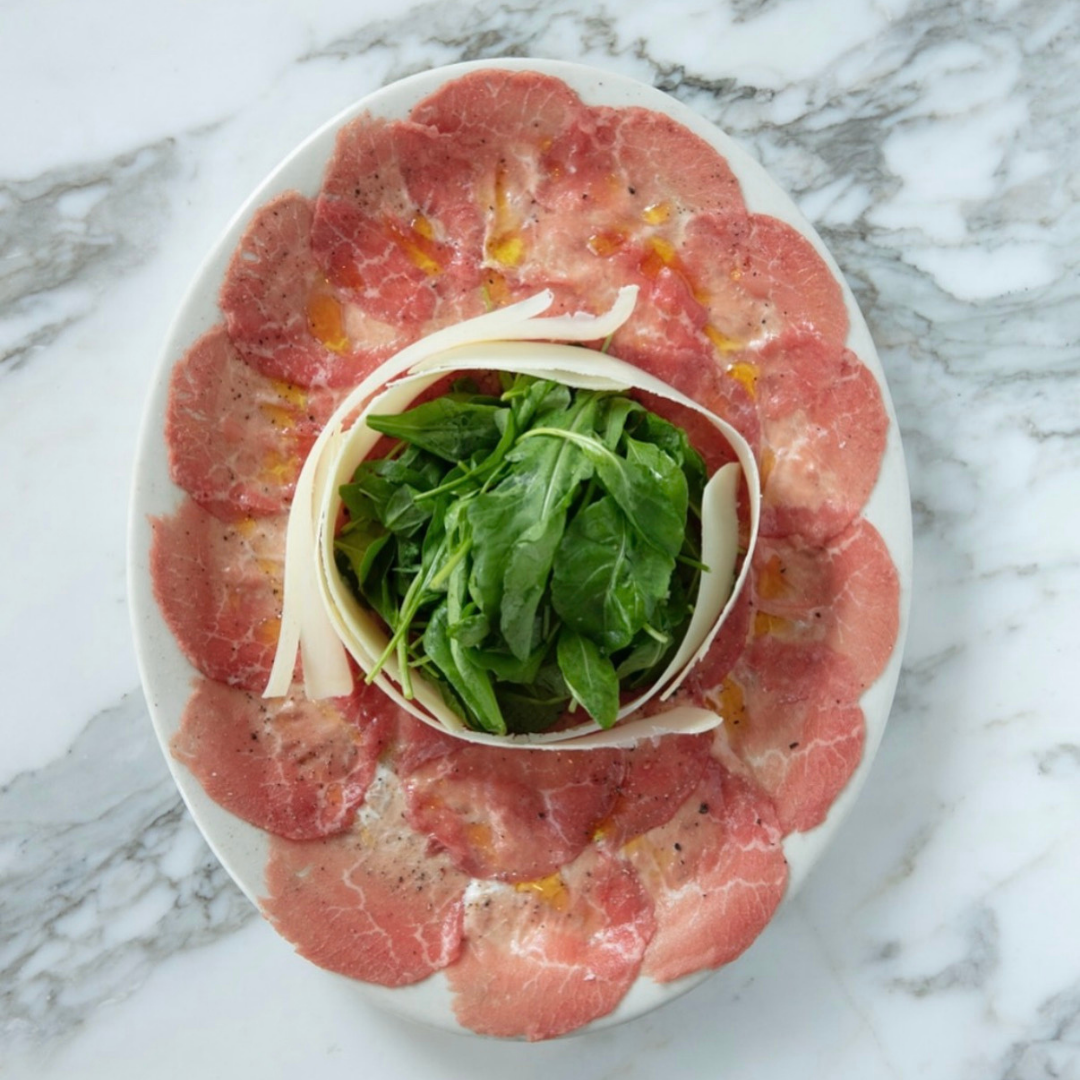
The Beef Carpaccio at Bottega in Birmingham, Alabama, pairs perfectly with Chave’s rich and meaty red blend. The shaved beef, drenched in a snappy horseradish cream and topped with freshly shaved cheese, is to die for alongside this French red.
THE NONALCOHOLIC
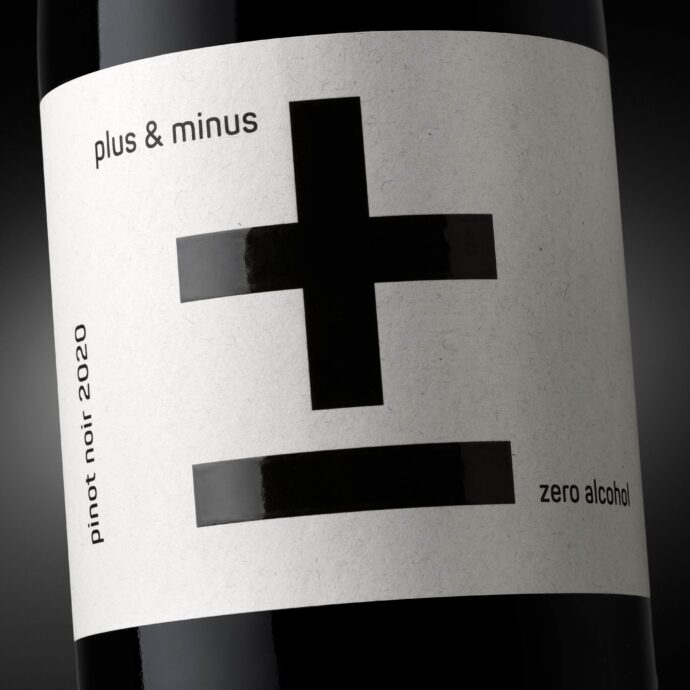
Non-alcoholic beverages have cemented themselves on tasting menus all around the world, and Plus & Minus is one I cannot rave enough about. This sparkling wine from South Australia is composed of Chardonnay, Semillon, and Colombard.
The process behind it is a little nerdy. They remove the alcohol, then add an extract of the grape skins and seeds back into the final product. This not only adds texture but also gives it an antioxidant boost. Paired with spicy pad thai, it’s the perfect treat for a sober Sunday or any other day of the week.
BEYOND THE BOTTLE
In Charleston, there is a small bakeshop that wows me EVERY time I visit and, to the detriment of my belt, has some of the best pastries in town. Welton’s Tiny Bakeshop on King Street is a must-try when you’re in the area. Their storefront is filled to the brim with every pastry imaginable, all made fresh daily with heirloom grains and Southern staples.
Insider scoop: You can buy Benton’s bacon there by the pound for a snack later in the day.
KEEP UP WITH WILL
Want more from Will’s table? Follow him on Instagram (@winewith_will and @jonesw6129) for plenty more food and wine insights. And be sure to keep up with Little Bird (@littlebirdfairhope) and The Hope Farm (@thehopefarmfairhope), both part of the Deep Roots Restaurant Group, to see what Will and the team are pouring, plating, and working on next.
