
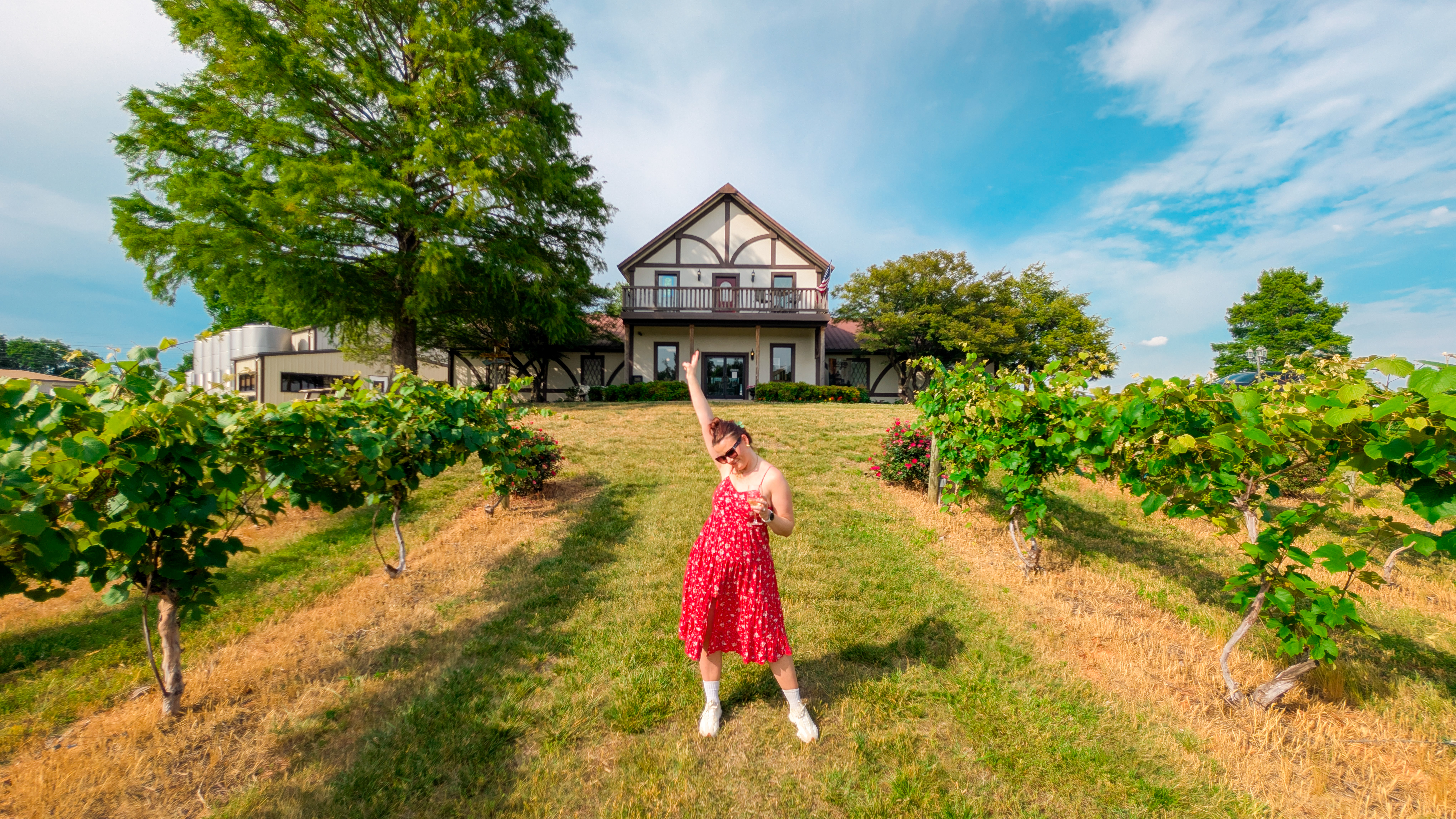
Fall for the city’s best trails, parks, river views, and patio dining.
Fall in Clarksville is the best excuse to get people out of the car. The air finally cools off after a Tennessee summer, and the city starts welcoming you to explore on foot, by bike, from a kayak, or somewhere along the Cumberland with a jacket tied around your waist. You can walk beside the river before lunch, ride a paved trail under tree cover, climb limestone above the water, or drive out toward a historic park where the road itself feels like part of the adventure.
Start with the Clarksville Greenway, a nine-mile paved trail built through the city’s Rails to Trails program. Multiple trailheads make it easy to choose your own distance, whether you want a quick morning walk or a longer ride through shaded stretches of town. The Raymond C. Hand Pass, a 600-foot pedestrian bridge, gives the trail one of its best views, with rolling hills below and locks fastened along the bridge by people who wanted to leave proof they were there behind.
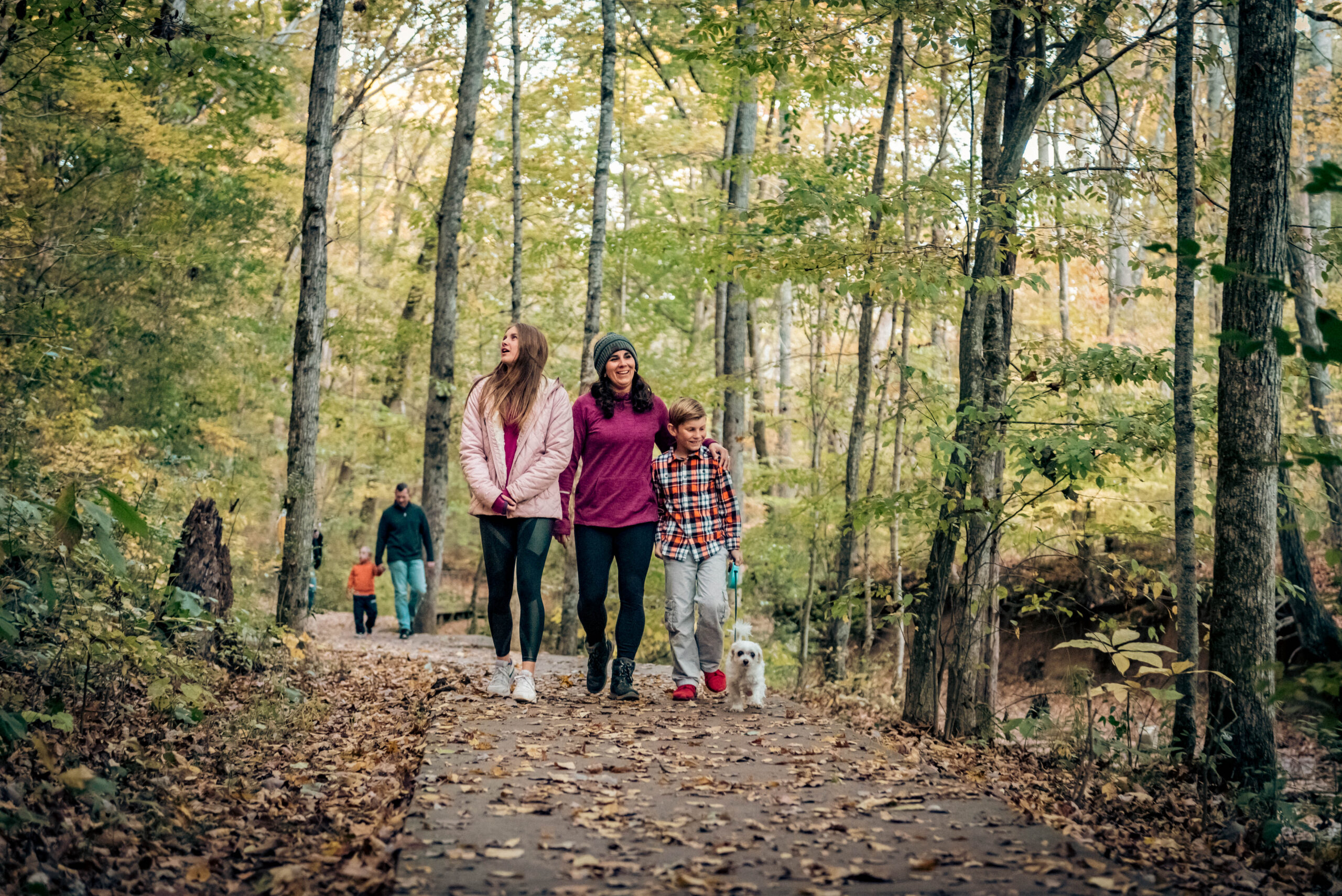
The Greenway also gives visitors a good read on Clarksville’s outdoor personality. You may pass runners, strollers, cyclists, skaters, and plenty of folks walking their dogs. Rock formations show up along the path, with signs that explain what you are looking at as you explore.
For water views, head to Liberty Park. Spread across 146 acres along the Cumberland River, the park has walking trails, a fishing pond, access to the marina, sports fields, a dog park, outdoor exercise equipment, and plenty of green space for picnicking. The 1.8 miles of walking trails give you enough space to move without committing to a full hike, and the river views make the loop feel worth repeating.
McGregor Park keeps you closer to downtown, with a paved mile-long path along the Cumberland River. There are picnic areas, a boat ramp, an ADA-accessible playground, and access to the Cumberland Riverwalk. At the entrance, the As the River Flows Museum gives visitors a closer look at Clarksville’s river history.
Rotary Park, in the Sango area, is like the place to go when you want a little bit of everything. The 111.3-acre park has six miles of hiking, biking, and walking trails, along with an ADA-accessible trail, playgrounds, picnic areas, outdoor exercise equipment, and an 18-hole disc golf course. Inside the park, the Wade Bourne Nature Center gives families a place to learn about conservation and local wildlife before heading back outside.
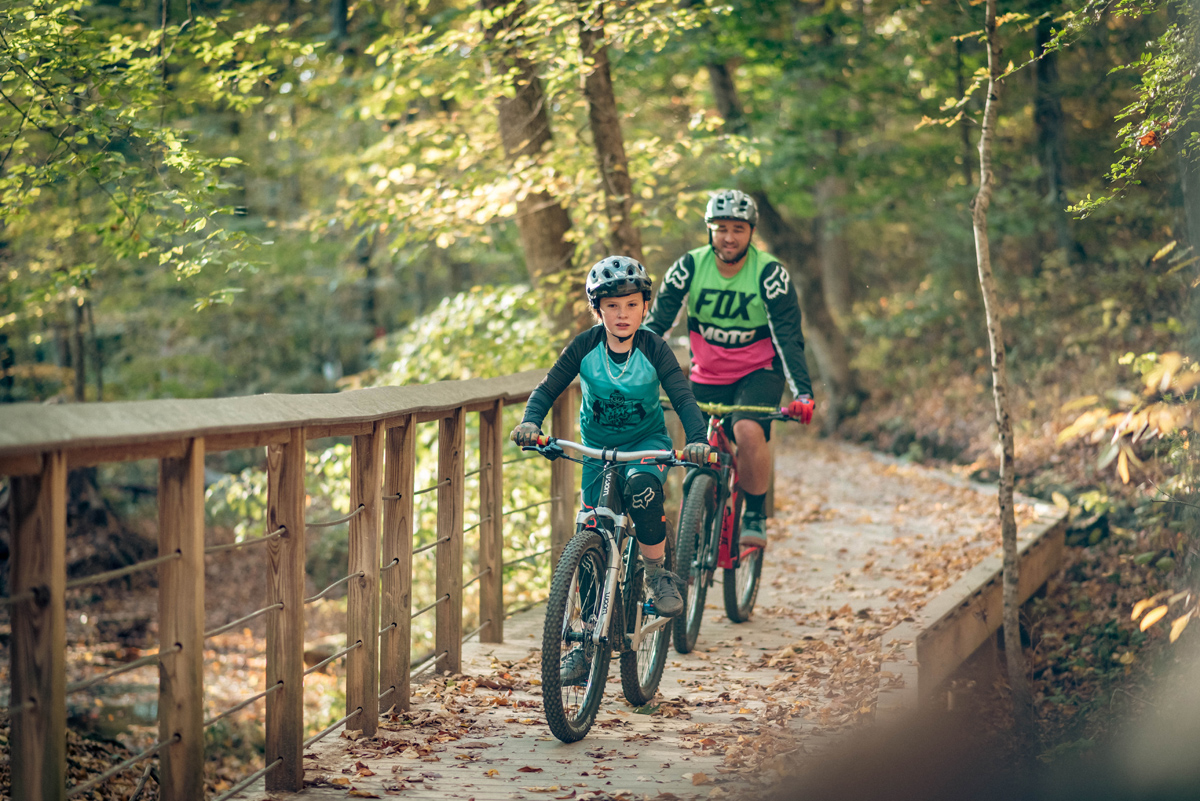
If riding on two wheels is more your speed, North Ford Street Mountain Bike Park has 3.5 miles of trails with wooden jumps and a drop zone for intermediate and advanced riders. A newer novice section makes it more approachable for beginners and kids, though experienced riders will still have plenty to work with.
In Clarksville, the list of ways to get outside is endless. Dunbar Cave State Park holds both natural and cultural history, with outside trails, wildlife, and guided cave tours. Fort Defiance offers trails with Civil War trenches and views of downtown. King’s Bluff Park, a limestone crag along the Cumberland River, has more than 160 climbing routes ranging from 30 to 80 feet. For paddling, outfitters like Float Ya Boat and Red River Canoe can help get you on the water from launch points such as Liberty Park, McGregor Park, Billy Dunlop Park, or Robert Clark Park.
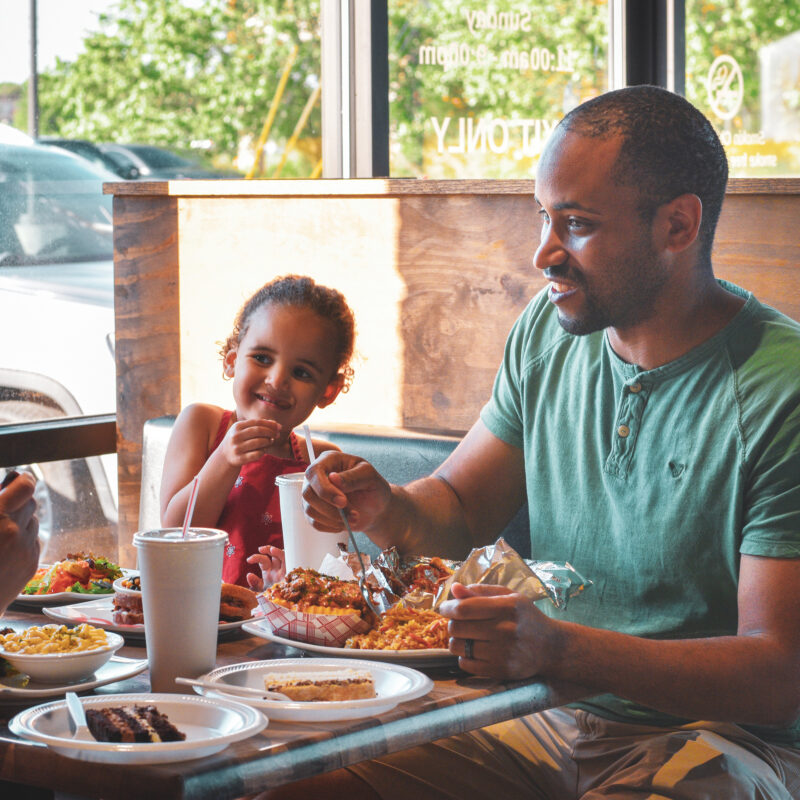
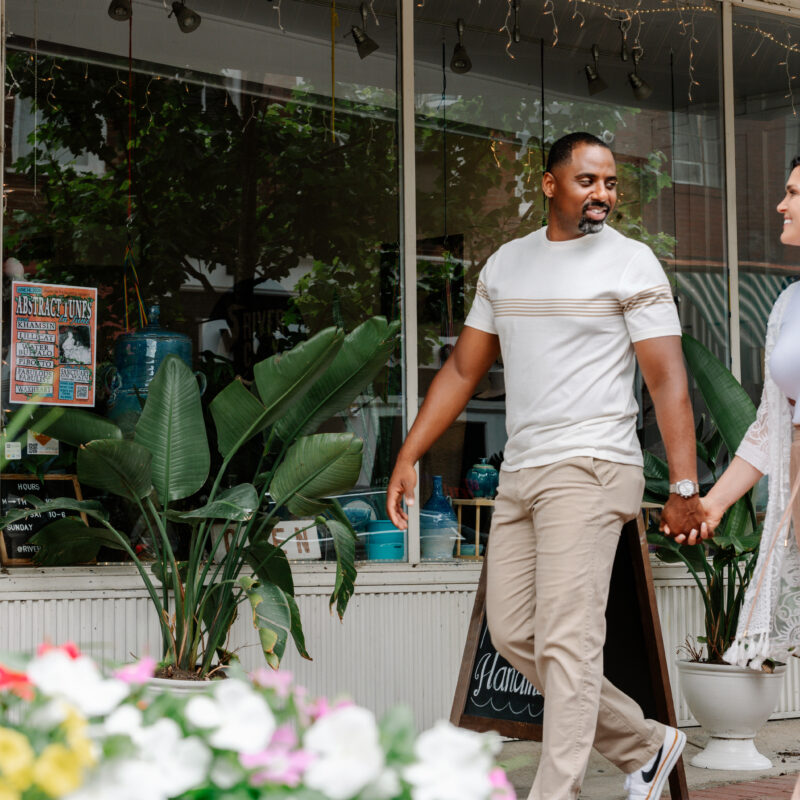
After a full day outside, you’re going to want a good meal. In Clarksville, you don’t have to move the day indoors just because it’s time to eat. We rounded up some of the best patios so that you can make the most of your outdoor weekend.
The Mailroom
Set inside a former U.S. Post Office and Federal Building, The Mailroom gives downtown one of its best rooftop views. Go for brunch, cocktails, or dinner after a Greenway morning.
Strawberry Alley Ale Works
The balcony has views toward the Cumberland River, and Upstairs at Strawberry Alley adds games, pub food, and cocktails. It works well when the group wants craft beer and an easy downtown plan.
Old Glory Restaurant & Silo Park
This open-air setup has picnic tables, green space, weekend music, and award-winning spirits. After a day outside, it feels especially nice to sit somewhere with room to spread out.
Liberty Park Grill
Overlooking the marina, Liberty Park Grill is the obvious move after walking the park or spending time near the river. Come close to sunset if you want the boats in the view.
The Mad Herbalist
This log cabin restaurant sits in the woods off Madison Street, with tea flights, a seasonal menu, and outdoor seating surrounded by trees. It is a good reset after a trail-heavy morning.
The Thirsty Goat
Artisan coffee, craft beer, handmade pizza, and a laid-back patio make this neighborhood spot easy to work into almost any part of the day.
Clyde’s of Clarksville
Located at River Club Golf Course, Clyde’s pairs brunch, cocktails, and dinner with wide-open views. Save it for the end of the day, when everyone is ready to sit down and stay awhile.
