
Words by Christiana Roussel
Key West, Florida, has a way of seducing you slowly, then all at once. It is not just the sun-drenched architecture or the come-as-you-are attitude. It’s the layers of story embedded in every conch shell, every crooked porch, every bar stool worn smooth by seasons of storytelling. For a place so small, Key West carries an outsize sense of history and personality. Pack your flip-flops; we’re headed due south.
Where to Stay
Where you land in Key West (after touching down at the Key West International Airport) sets the tone for everything that follows.
At Ocean Key Resort & Spa, you’re perched at the island’s edge. Enjoy the nightly sunset celebration at Mallory Square from the comfort of your balcony.
A few miles away—but a world apart in feel—Casa Marina Key West offers a more expansive beachside escape. Rare for Key West, the property boasts its own stretch of sand, creating a sense of retreat without sacrificing access to the buzz of downtown.
For something quieter, the inns and rental homes tucked in and around Truman Annex deliver a residential intimacy. Longer stays are filled with shaded courtyards, wraparound porches, and the sense that you belong here.
What to Do
As comfortable as your accommodations may be, you likely won’t spend much time inside. Key West is an island rich with history and natural beauty, the kind of place that draws you outdoors and into its stories.
The Ernest Hemingway Home & Museum feels less like a stodgy reliquary and more like a living artifact. The gardens are lush and home to the famous six-toed cats, some of which still roam inside the house. The home itself seems to hum with creative energy. Don’t skip the tour of Hemingway’s writing studio, where he penned some of his most celebrated works.
Nearby, the Harry S. Truman Little White House offers a different kind of history, one that is quiet and stately. As the only presidential museum in the state, it is probably also the only one surrounded by palm trees.
The Key West Butterfly & Nature Conservatory is part tropical garden, part aviary, and entirely worth a visit while you’re on the island. A quick stop in the vestibule offers a short biology lesson (ask for George as your guide) before you pass through a set of double doors into the glass-enclosed conservatory. There, hundreds of butterflies flutter freely among tropical plants, waterfalls, and exotic birds. They may land on your hat or tickle your nose as you wander through the lush space. The conservatory is also home to resident flamingos Rhett and Scarlett, and if you want an even more memorable encounter, you can book the “Flamingle” experience to get up close and personal.
Consider renting a bike and letting the day unfold without an agenda. Duval Street—perhaps best compared with Bourbon Street in New Orleans, but with an island vibe—pulls you along with live music spilling out of all-day, all-night venues, the smell of something delicious drifting through the air, and an energy that makes you forget what time it is.
That same creative energy carries into the island’s art scene. Key West Art Center & Gallery serves as a hub for local expression, giving artists like Samuel Alvarez a place to showcase their work and share the stories and inspiration behind it.
“The art community in Key West is immense. It is a network of creatives that spans the whole island; they don’t just exist here. They are a defining influence on the way Key West is seen and felt by so many people. The art world is often known to be close-knit and therefore difficult to enter. However, Key West manages to balance this beautifully; it is close-knit, yet genuinely welcoming to new creatives. If it were a blanket, it would be one that is constantly growing, a quilt of ever-expanding patches of color.” —Artist Samuel Alvarez
For a deeper look into the island’s creative side, you’ll find that each of Key West’s galleries offers its own perspective. Effusion Gallery leans contemporary with bold, colorful works, while Harrison Gallery offers a more established perspective through thoughtfully curated exhibitions that have helped shape the local art scene for decades. At The Studios of Key West, rotating exhibitions, performances, and artist residencies create an immersive experience that keeps the island’s creative pulse alive.
The water is an ever-present backdrop to island life. While Key West isn’t known for wide stretches of natural beach, it does offer a few with plenty of character. Fort Zachary Taylor Historic State Park, part of the Florida State Parks system, is one of the island’s best spots to snorkel straight from shore, where rocky edges teem with marine life.
Nearby, Higgs Beach is home to the African Cemetery at Higgs Beach, a memorial honoring Africans who died after being liberated from illegal slave ships in the mid-19th century. The site offers important context for understanding the island’s place in a broader history.
One afternoon, settle in for a cooking class at The Key West Cooking School, where instructors weave together the culinary history of the island while demonstrating a meal you’ll enjoy alongside the storytelling.
Where to Eat
If the island is best explored by instinct, it may be best understood through its food.
Mornings begin early at Pepe’s Café & Steak House, where the line forms quickly—or swing by Blue Heaven for their Breakfast with the Roosters (yes, the free-roaming chickens really are everywhere) and order the shrimp or lobster and grits.
If you find yourself near Higgs Beach around lunchtime, stop by Salute! On The Beach for beachside classics, like shrimp salad, with a view. For something more stripped-down, B.O.’s Fish Wagon serves island flavor in its purest form, and the conch fritters alone are worth the stop.
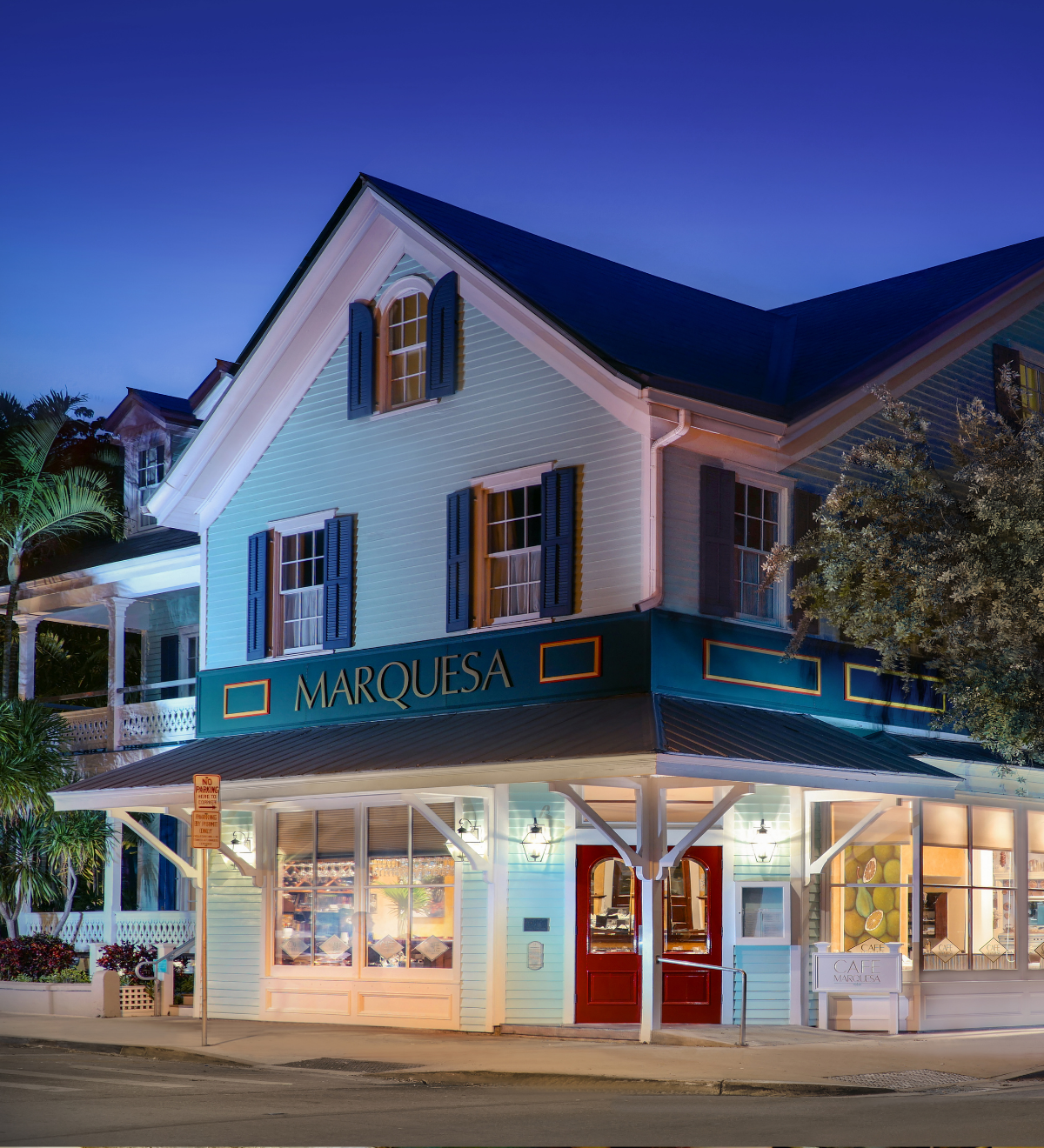
Dinner is where the island invites you to slow down and replay the day, whether over an elegant meal at Café Marquesa or during a boat ride to Latitudes on Sunset Key. For something more casual, check out Boat House Bar & Grill or Sunset Grille & Raw Bar, where flip-flops and frozen drinks reign.
Save room for dessert with a stop at Kermit’s Key Lime Shop—the frozen chocolate-dipped slice is the move—or end the night at Better Than Sex, a dessert restaurant where the menu is playful, indulgent, and decidedly grown-up.
A Literary Island
Key West has long held an identity as a literary refuge for writers. Ernest Hemingway may be its most famous resident, but he’s far from the only one. Author Judy Blume and her husband, George Cooper, helped found Books & Books @ The Studios of Key West, a nonprofit bookstore that has become one of the island’s literary gathering places. Meanwhile, Key West Island Bookstore is a rambling space filled with new, used, and rare finds, from bestselling novels and local authors to coveted first editions.
In Key West, days are shaped less by itinerary than by instinct. Follow the music, the history, and the smell of something cooking. You’re sure to return home with a few of your own good stories.
