
Words by Nicole Letts
Common nicknames for New Orleans, such as the Big Easy and the Crescent City, capture the city’s joie de vivre. It’s a city known for strong cocktails, enchanting music, exceptional food, and back-to-back parades. It might not be America’s oldest city—that title belongs to St. Augustine, Florida (founded in 1565)—but it is a city that has had a profound impact. To show just how much New Orleans has imprinted on our history and our hearts, I’m making a case for another nickname for New Orleans: The City of Firsts.
Holy Order
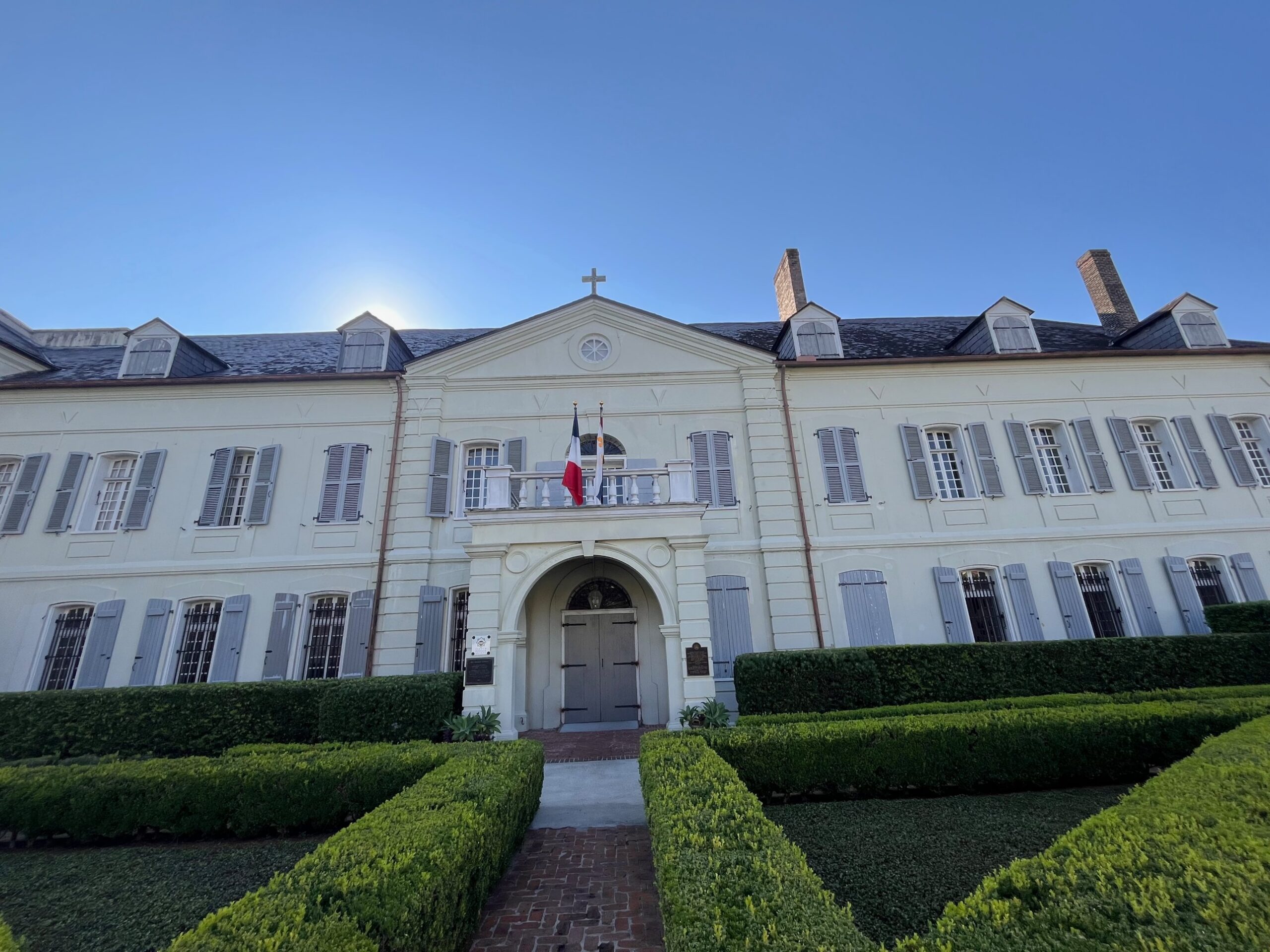
The Old Ursuline Convent, completed sometime between 1752 and 1753, is the only surviving example of French colonial public architecture in the French Quarter and the oldest building in the entire Mississippi River Valley. The nuns who built it arrived in 1727, and the order went on to found the country’s oldest continuously operating girls’ school and one of its earliest orphanages. The convent’s namesake academy remains the oldest continuously operating Catholic school in the country today. Although the nuns spent decades as enslavers themselves, they educated white, Black, and Native American children alike and treated wounded soldiers in two wars. Along with the larger collection of records at the Archives of the Archdiocese of New Orleans, its meticulous sacramental records remain some of the best documentation of enslaved families in the country, recently helping genealogists trace Pope Leo XIV’s own New Orleans roots.
Perfecting the Script
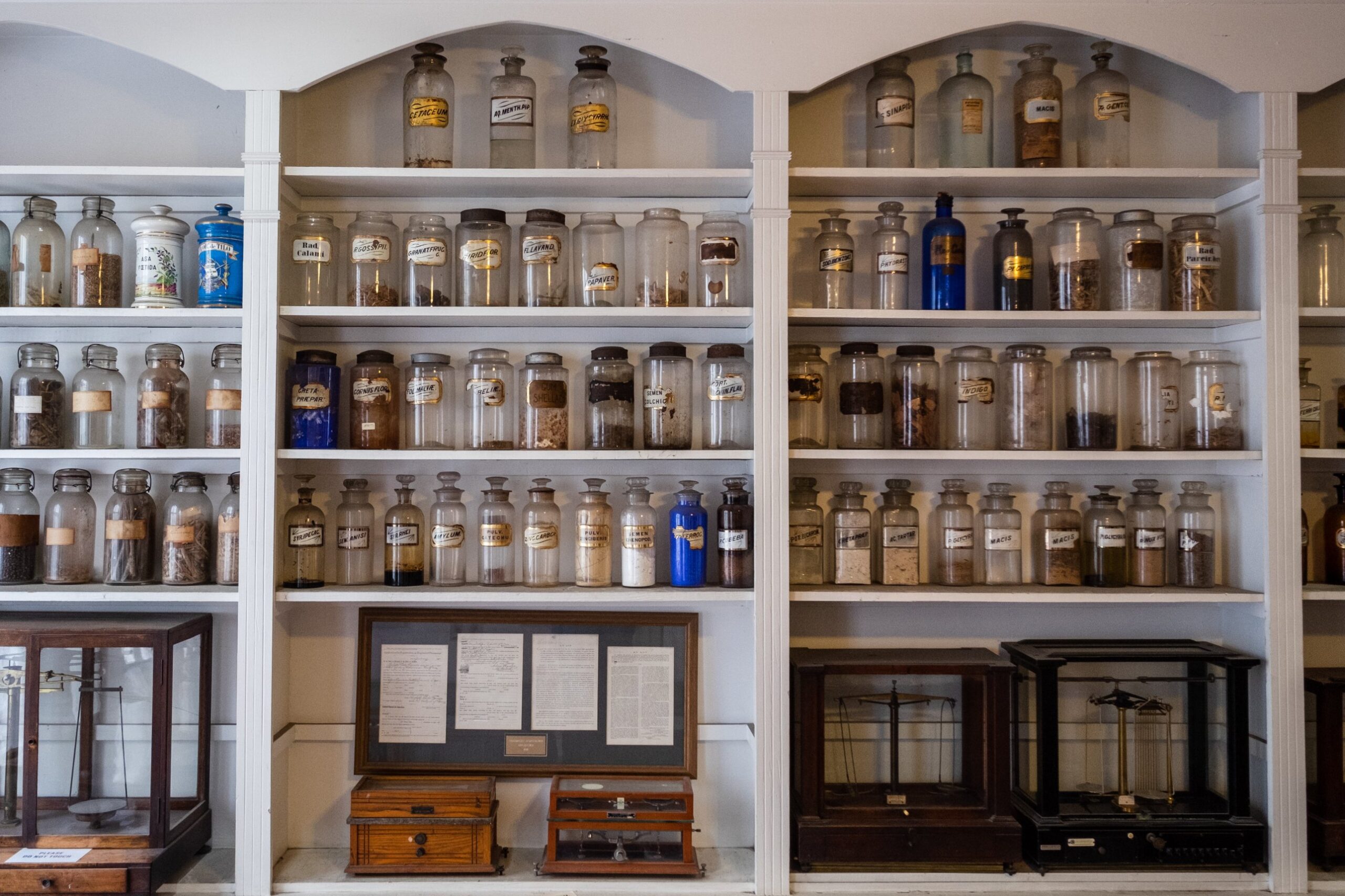
While the Ursuline nuns were busy establishing an education system, elsewhere in the French Quarter, on the very same street, America’s first pharmacy was born. When Louisiana Gov. William C. C. Claiborne decided pharmacists should have to prove their knowledge rather than simply claim it, Louis Dufilho Jr. became the first to pass the rigorous exam in 1816 and later opened his shop at 514 Chartres Street. That building is now the Pharmacy Museum, which preserves original tools of the trade; sample jars of herb, mineral, and insect remedies; and artifacts unearthed from various archaeological digs. It’s a window into the moment American medicine shifted from folklore and reputation to formal, standardized professional licensing.
First Round
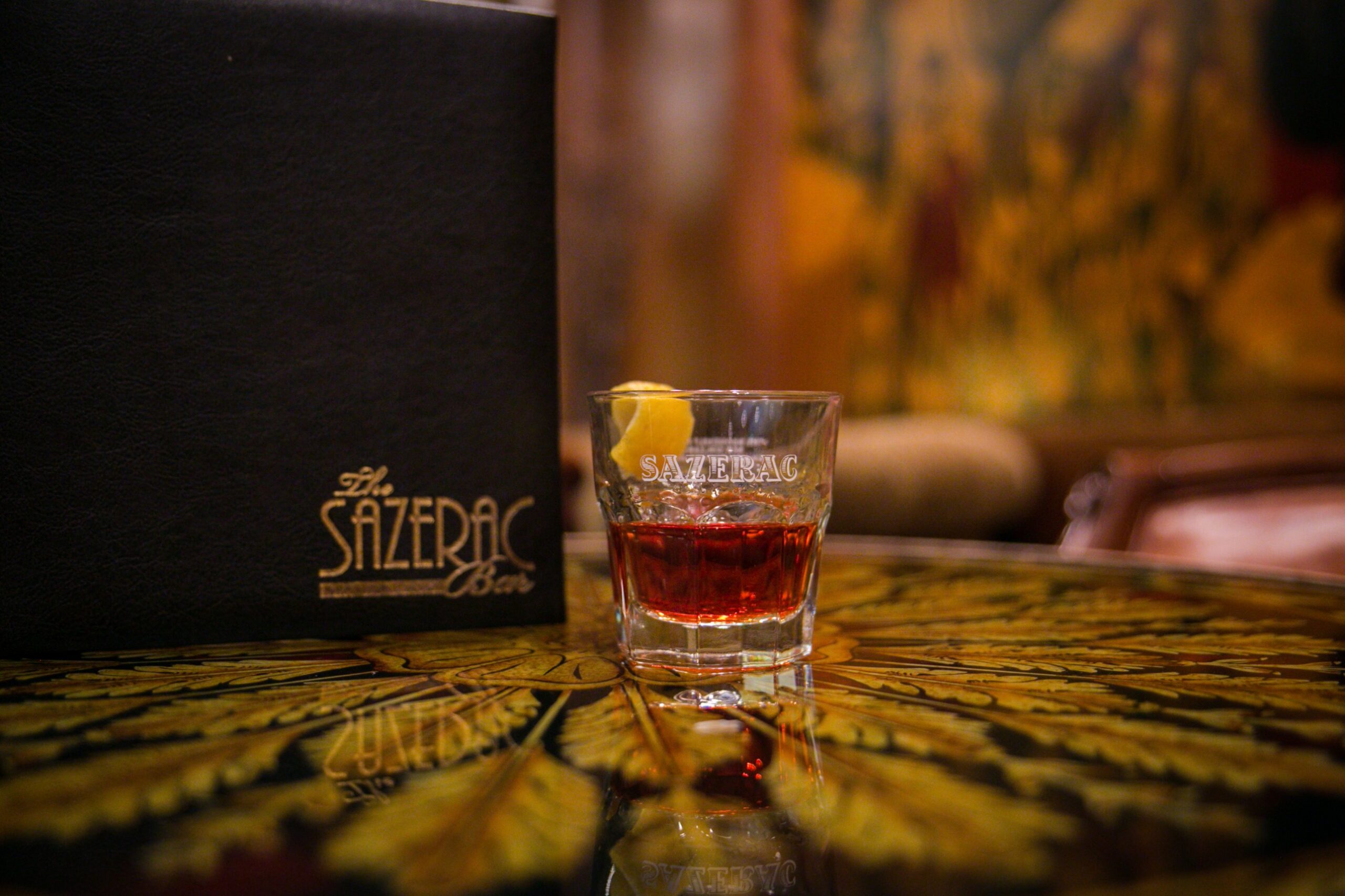
The early pharmacy eventually became home to another American tradition: the bar. In fact, one of the earliest documented cocktails, the Sazerac, is credited with being founded in New Orleans in the 1830s. It all began when local apothecary Antoine Peychaud mixed his recipe for medicinal bitters with imported French cognac, blending the city’s pharmacy culture with its after-hours socializing sippers. When a vineyard blight wiped out the French cognac supply, clever bartenders swapped in rye whiskey, cementing the recipe still used today. The drink became almost synonymous with the city, lending its name to the Sazerac Bar at the Roosevelt Hotel. In 1949, the bar dropped its men-only policy, and women turned out in force to claim their seats—and their Sazeracs—at the bar, an occasion that became known as the “Storming of the Sazerac.”
Dinner and a Show
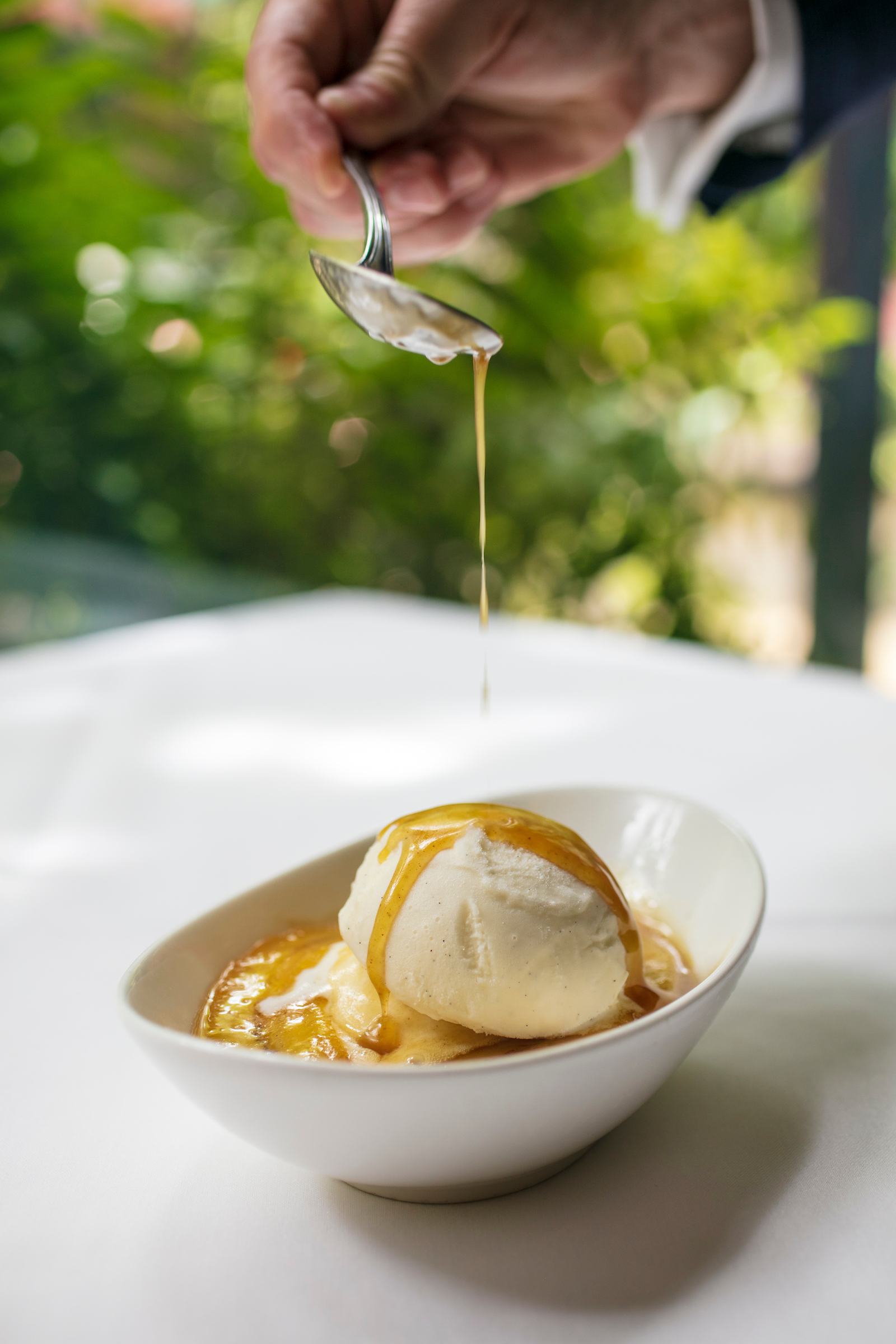
In the 1950s, the city was one of the country’s largest banana importers, receiving the fruit before almost anywhere else in the nation. So when Owen Brennan hosted a 1951 dinner honoring his friend and then-chair of the New Orleans Crime Commission, Richard Foster, Brennan challenged his team to create a dessert from the bananas flooding the city’s markets. Brennan’s sister, Ella, led the charge, recalling a breakfast dish from her mother that featured brûléed bananas. Ever the host, Ella added rum for a glorious, celebratory production, setting New Orleans desserts ablaze. Named for Foster, Bananas Foster now sells 150 to 200 orders daily at Brennan’s landmark pink building (built by French Impressionist artist Edgar Degas’ great-grandfather in 1795). In 2026, the restaurant marks 80 years of “Breakfast at Brennan’s” and 75 years of the tableside dessert that made it famous.
Jazz Hands
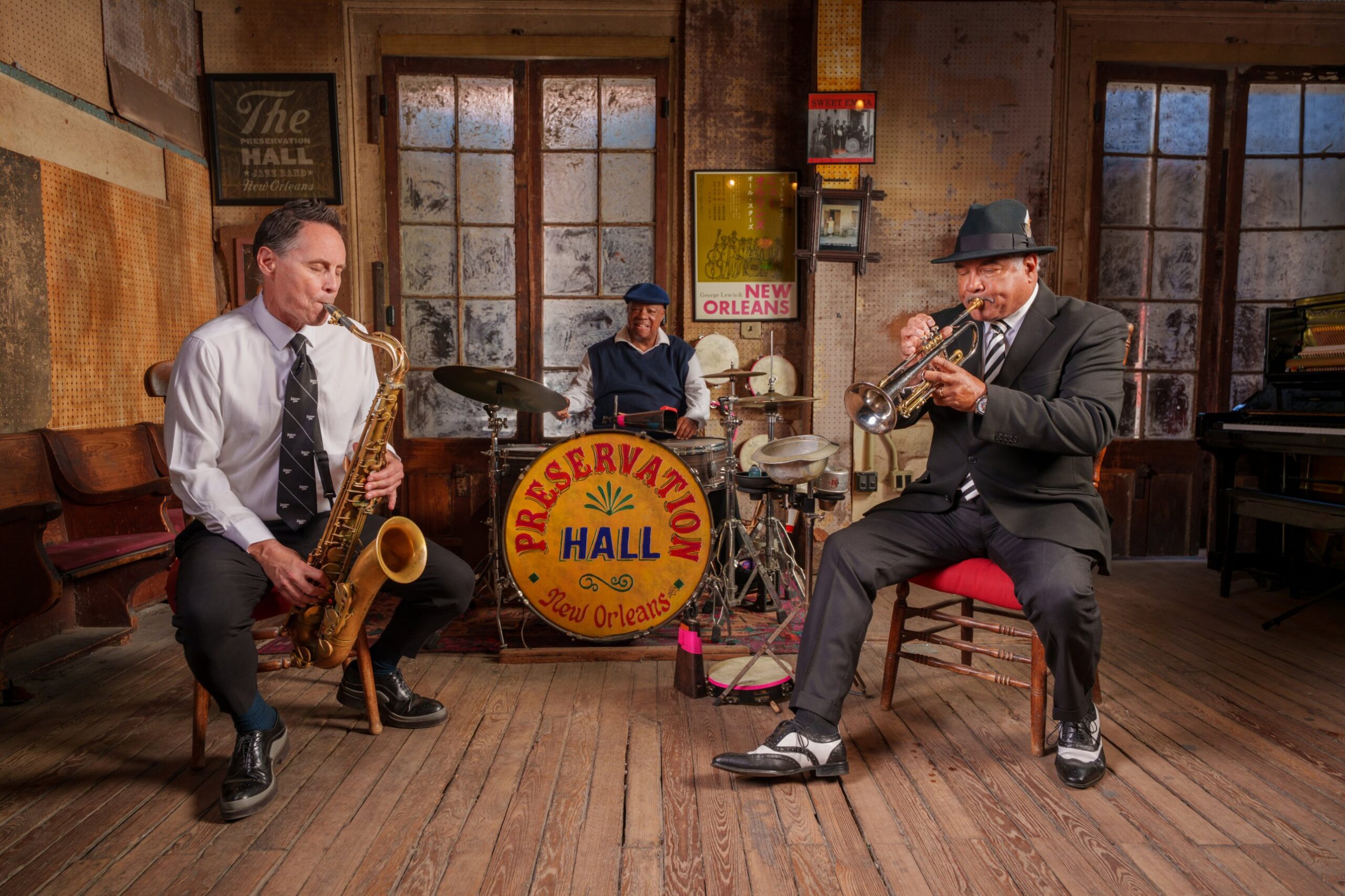
New Orleans might be known for its iconic food and beverages, but it is legendary because of the music that reverberates through its streets. Jazz was born here, and no venue keeps that flame burning quite like Preservation Hall. Opened in 1961 by Allan and Sandra Jaffe, it was one of the rare places where integrated bands and audiences shared music during the oppressive Jim Crow era. The no-frills institution hasn’t changed much since. There’s no air conditioning, no phones, and no photos. Spectators are seated shoulder to shoulder on benches or standing side by side against the walls. The sets are short and often improvised. Even if just for a moment, you’re transported back in time.
The Original Rideshare
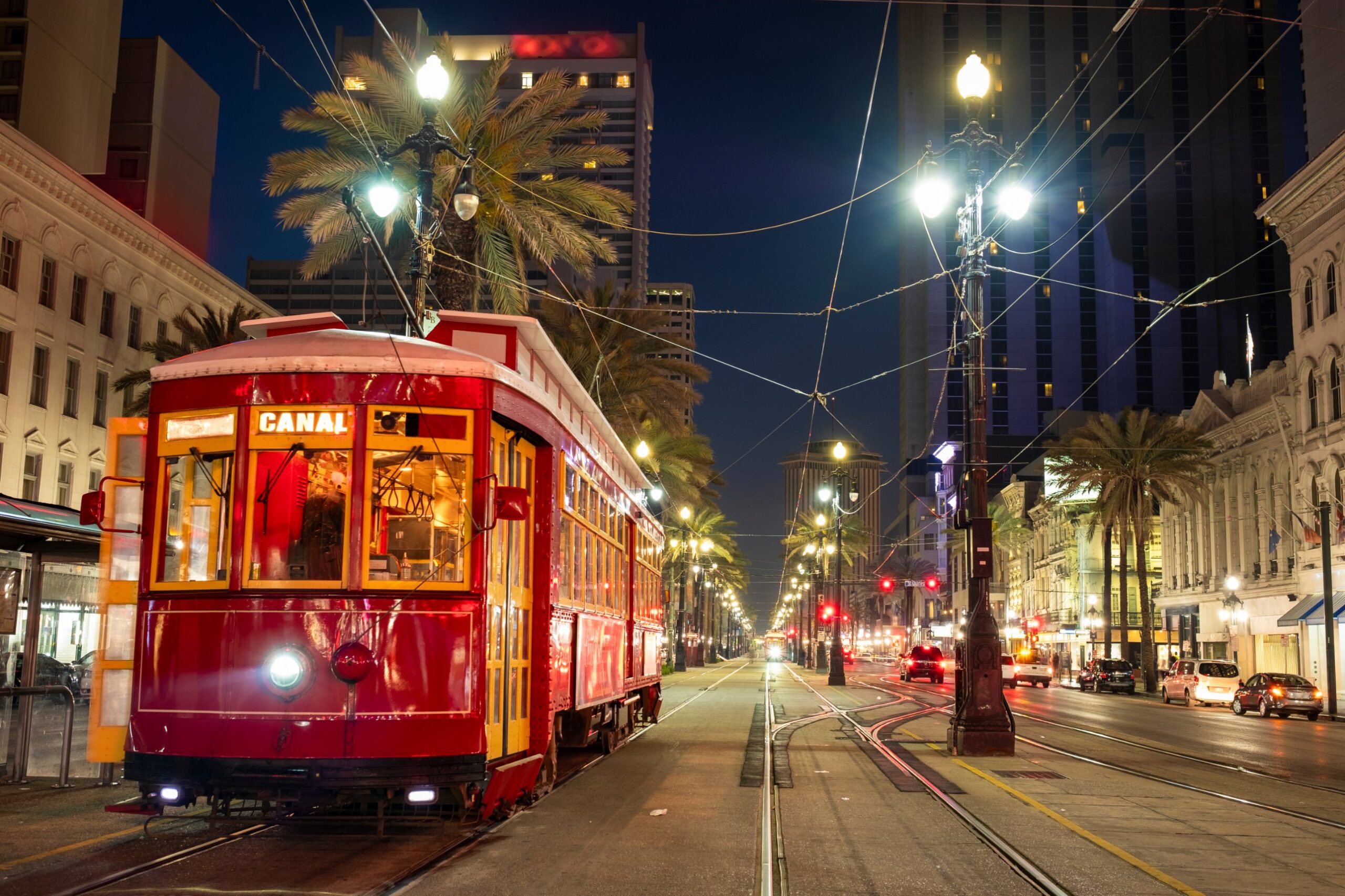
When thinking of New Orleans, a few images might come to mind. Perhaps it’s a picture of fluffy, powdered-sugar-topped beignets, or maybe it’s flashes of the city’s wrought-iron lace galleries. Regardless of what the mind conjures, the city’s famed streetcar is likely among them. First put into service in 1835, the St. Charles Streetcar Line is the oldest continuously operating streetcar line in the world. It has weathered steam power, mule-drawn cars, electrification, and yes, several hurricanes. Today, its iconic green Perley Thomas cars, introduced in the 1920s, still rattle down the same 6.5-mile route, carrying commuters and tourists alike past Crescent City landmarks.
